
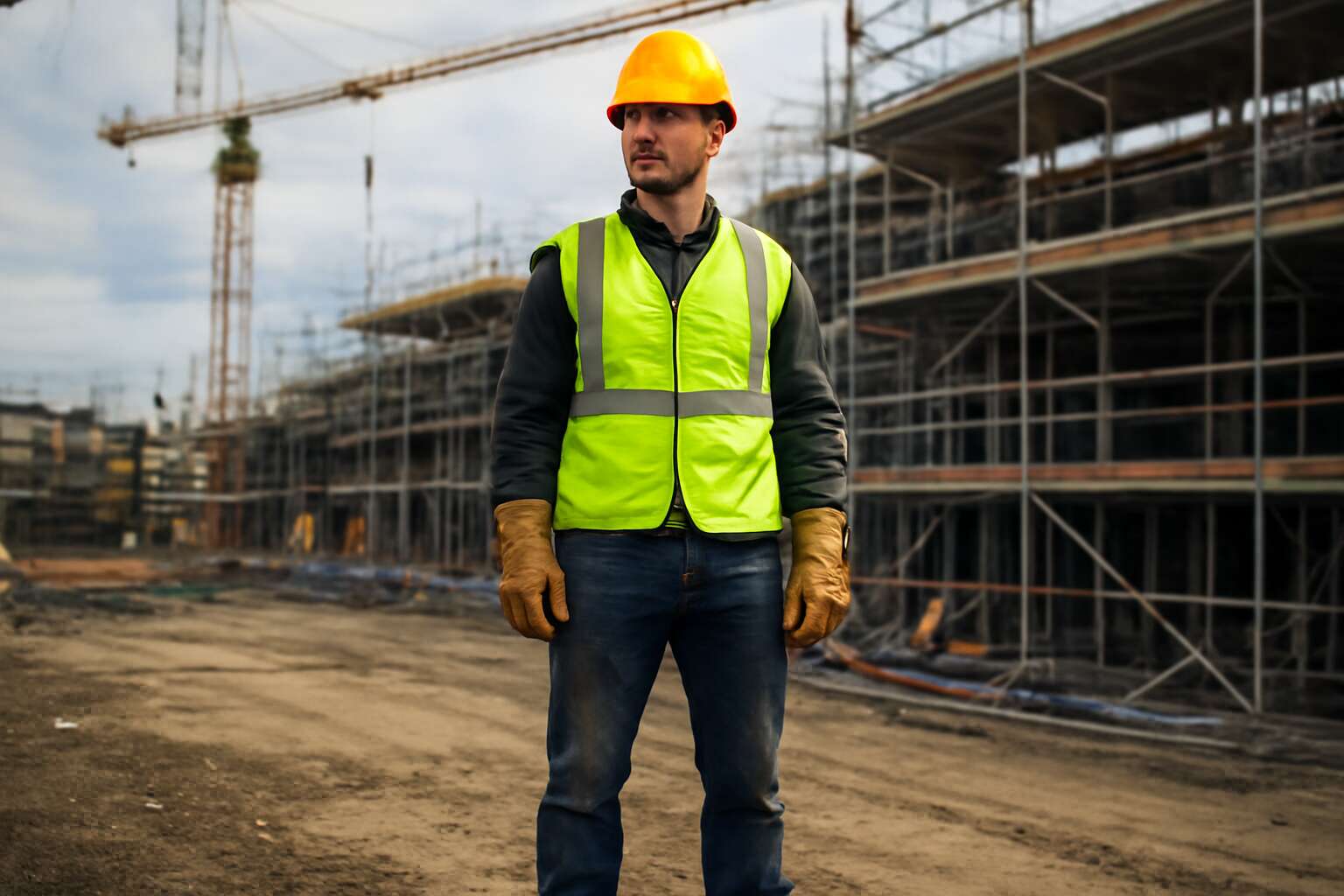
The Importance of PPE in Construction
What PPE protects workers from
On every South African site, a foreman once told me, “Safety isn’t a luxury; it’s a language we must speak daily!” The question of why ppe is important in construction runs deeper than optics—it’s about protecting lives, safeguarding futures, and preserving your crew’s dignity on the toughest days.
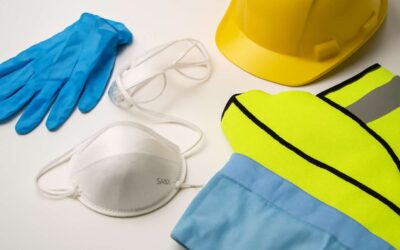
Consider the concrete realities of our work; PPE acts as a personal shield against common hazards.
- Hard hats
- Eye protection
- Respiratory protection
When worn consistently, PPE is not a sign of weakness but a declaration of responsibility—an ethical stance that respects the lives and families behind every shift!
PPE reduces injuries and fatalities
“Safety isn’t a luxury; it’s a language we must speak daily!” A foreman’s refrain rings across every South African site, reminding that PPE reduces injuries and fatalities and acts as a shield against the grit of long shifts. When workers suit up, they choose protection over regret—and signal that lives matter. This is why ppe is important in construction.
- Reduces injury severity and accelerates return to work
- Minimizes downtime and keeps projects progressing
- Fosters a culture of care and accountability on site
- Supports ethical leadership and respect for every family affected by incidents
On South African sites, the day’s heat, dust, and noise demand a disciplined routine. PPE is not a badge of fear; it’s a practical shield that sustains crews and keeps morale intact through the harsh moments. The choice to wear PPE is a quiet pledge—one that helps protect lives, livelihoods, and the dignity of work.
Key safety standards and compliance
On South African sites, safety isn’t a luxury; it’s the backbone of every project. The phrase why ppe is important in construction carries weight beyond comfort: compliant PPE keeps workers visible and able to finish the day without costly delays.
Key safety standards and compliance revolve around the OHS Act, risk-based PPE selection, training, inspections, and maintenance.
- Compliance with the Occupational Health and Safety Act and PPE standards
- Risk assessments guiding PPE choice and usage
- Regular inspection, cleaning, and maintenance records
A culture of care begins with proper gear and disciplined routines; it protects livelihoods and dignities on site.
PPE Categories Commonly Used on Construction Sites
Head protection and eye protection importance
On busy SA sites, a helmet can be the difference between routine work and a life-changing accident. Studies show proper head protection reduces serious head injuries by up to 60% when PPE is used correctly. This is why ppe is important in construction, not as a slogan but as everyday practice that saves teammates and keeps projects on track.
Head protection goes beyond a hard hat. It must fit well, be rated for impact, and be worn with a chin strap on windy sites.
- Hard hats with impact-rated shells
- Chin straps for stability
- Face shields for high-splash environments
Eye protection shields eyes from flying debris, dust, and welding sparks. Options include safety glasses, goggles, and adjustable face shields with anti-fog coatings. Choose UV-rated lenses for outdoor work and ensure replacements are readily available so protection is continuous.
Hearing protection and respiratory protection essentials
Noise is the quiet killer on SA sites; more than 80% of long-term hearing loss cases are preventable with proper protection. On every scaffold, PPE acts as a guardian, shaping how teams move through danger and preserving the rhythm of projects even when the hammer falls hardest.
Hearing protection and respiratory protection essentials keep the rhythm safe. Earmuffs and earplugs blunt harmful decibels, while respirators shield lungs from dust, fumes, and fine particles. The right fit, seal, and maintenance are non-negotiable, because gear that slips under pressure loses its power and purpose. This is why ppe is important in construction.
Together, they create a wearable shield that keeps workers in the game and keeps projects on track, turning caution into confident, steady progress.
Gloves, boots, and skin protection basics
On South Africa’s construction sites, a glove isn’t just gear — it’s a language of safety. Day after day, hands move the project forward while risk hovers, waiting to rewrite the script. This is why ppe is important in construction.
Gloves vary by task, but the basics stay the same.
- Nitrile for chemicals
- Leather for abrasion
- Cut-resistant for sharps
- Insulated for cold environments
Boots are more than boots on site; steel-toe caps, puncture-resistant midsoles, and grippy tread keep every step deliberate. For skin protection, the basics mean coverage, barrier creams, and sun defense that travels with you across long shifts.
- Steel-toe caps for crush protection
- Puncture-resistant midsoles for sharp objects
- Anti-slip, treaded soles for grip
- Long-sleeved outerwear to guard arms
Maintenance, proper fit, and occasional checks sustain the shield as projects push forward, turning caution into confident, steady progress.
Fall protection equipment overview
Safety isn’t a gadget; it’s a culture—and fall protection is its loudest advocate. On South Africa’s construction sites, the height danger is real, and so is the discipline to manage it. Fall protection equipment spans several solutions, from full-body harnesses to anchor points and guardrails, all designed to keep climbers of the scaffold stable, secure, and slightly less dramatic when the wind picks up. This is why ppe is important in construction.
- Full-body harnesses
- Lanyards and energy absorbers
- Self-retracting lifelines (SRLs)
- Guardrails and edge protection
- Anchor points and descent devices
When the day’s tall tales unfold—scissor lifts, rooftops, trench edges—the right fall protection setup keeps momentum steady and risks contained. It’s the practical theatre of safety: visible gear that quietly does the heavy lifting while crews stay focused on the job at hand.
PPE and Project Productivity: How Safety Supports Efficiency
Reducing incidents and downtime through proper PPE
Across South Africa, downtime from injuries costs the construction sector billions each year, a toll that gnaws at budgets and drags schedules. When workers wear the right PPE, focus tightens, decisions stay sharp, and the day flows with fewer interruptions. PPE isn’t a luxury; it’s the quiet engine that keeps projects moving toward completion.
Here’s how proper PPE translates into real productivity on site:
- Minimizes downtime by preventing injuries that halt progress
- Boosts comfort and fit, reducing fatigue and maintaining focus
- Supports faster, safer task completion across trades
This is why ppe is important in construction, because safety and productivity go hand in hand. On every site, the outcome hinges on what workers choose to wear, and a disciplined approach to protection keeps the schedule intact even when market pressures loom.
Impact on project timelines and budgets
Across South Africa’s bustling sites, every hour saved is a budget protected—and I’ve seen it firsthand: a crew kept moving when PPE fits, and a schedule breathes easier. The true power of PPE lies not in theory but in daily practice, transforming anxious calendars into steady momentum. This is why ppe is important in construction.
Safety gear that fits and feels right keeps teams moving with fewer interruptions and smoother handoffs between trades. When protection is trusted, focus stays razor-sharp and tasks trend toward on-time completion, which stabilizes budgets even as market pressures rise.
- Fewer unplanned stoppages
- Quicker task transitions across trades
- Consistent productivity from dawn to dusk
On sites across SA, safety translates into more predictable timelines and healthier cash flow, turning blueprints into kept promises and visible value that builders feel in the pocket and the skyline.
Safety culture and worker morale
On South Africa’s bustling sites, a single well-fitting glove can tilt a day’s rhythm. In my experience, crews with PPE that fits moved about 15% faster through their shifts, turning anxious calendars into steady momentum. This is a striking reminder that PPE is not a mere list of rules but a living practice. This shows why ppe is important in construction.
Safety culture matters more than safety gear alone. When workers feel protected, nerves settle and job sites become steadier places to farm out the day’s tasks. The morale lift translates into sharper focus, steadier hands, and fewer detours caused by fear or fatigue.
- Procedural discipline becomes second nature
- Mutual accountability grows through fit
- Teamwork flows in tight spaces
In the crucible of a SA skyline, PPE becomes the orchestra that steadies tempo, guiding each minute toward value rather than risk. The result is a culture where safety and productivity share the stage, lifting both morale and the bottom line.
Building an Effective PPE Program on Site
PPE selection, sizing, and fit testing
Across South Africa’s bustling construction sites, one in five near-misses trace back to PPE that simply doesn’t fit. A well-tuned program can rewrite the map of safety: Building an Effective PPE Program on Site PPE selection, sizing, and fit testing anchors every shift in rhythm, turning gear into a trusted ally rather than a cumbersome obstacle.
Fit is more than comfort; it is a covenant between the worker and the work. When PPE aligns with motion, gear becomes a seamless extension of effort. This is why ppe is important in construction—an idea that shines when sizing is inclusive, tests are regular, and wearers move with confidence.
- Consistent sizing across brands and models
- Periodic fit checks that respect every body
- Durable materials suitable for SA heat and dust
On site, PPE becomes a thread of safety woven through culture and craft, lifting morale and keeping projects moving under the African sun.
Training and competency development
On South Africa’s bustling sites, a single overlooked training lapse can outrun a thousand rounds of caution. The punchline is stark: why ppe is important in construction goes beyond gear—it’s a matter of competence stitched into every shift.
Building an effective PPE program on site hinges on training that lasts. Competence isn’t earned in a single session; it’s reinforced by onboarding, regular refreshers, and honest peer coaching. When the crew speaks the same safety language, PPE stops feeling like a burden and becomes second nature.
Core training and competency development elements, kept human and practical, include:
- Structured onboarding with hands-on PPE drills
- Periodic competency assessments that respect all body types
- Mentorship and peer coaching that normalize safe habits
On site, training threads safety through culture and craft, lifting morale and keeping projects moving under the African sun.
Maintenance, inspection, and storage protocols
Maintenance, inspection, and storage protocols are the quiet backbone of a robust PPE program on site. PPE that sits idle gathers dust and false confidence; actively maintained gear keeps its promise when the pressure is highest. Daily checks, simple cleaning, and a visible log create accountability and prevent minor faults from becoming major delays. This is not just compliance—it’s respect for the craft and the people who bear it on long shifts under the African sun. This underscores why ppe is important in construction.
To keep gear battle-ready, focus on three practical pillars:
- Accountability through assigned on-site maintenance responsibilities
- Brand-safe, labeled storage protecting gear from damage and contamination
- Documentation through a clear replacement and expiry log
When gear is kept in daily rhythm, protective equipment becomes second nature rather than a chore, delivering reliability when every second counts.
Budgeting and procurement considerations
On South Africa’s construction sites, every hour counted is a life saved and a budget protected — and the first line of defense is PPE that doesn’t sit idle. Recent safety audits show that projects with formal PPE budgeting reduce unplanned downtime by a double-digit margin. This is not a luxury—it’s risk management on the ground. This underscores why ppe is important in construction.
- Total cost of ownership: upfront price, maintenance, and end-of-life rotations.
- Bulk discounts and reliable supplier lead times to avoid stockouts.
- Rental versus ownership decisions that align with project milestones.
Smart procurement keeps gear available without bleeding cash: compare total cost of ownership, negotiate bulk discounts with reliable suppliers, and decide between rental and ownership based on project cadence.
Local procurement practices, clear SLAs, and on-site visibility keep gear flowing and people protected without surprises.
Future Trends in Construction PPE
Smart PPE and wearable tech innovations
Protection that talks back is reshaping the jobsite. On South African sites, safety gear is evolving from bulky add-ons to integrated safety systems. Smart PPE isn’t just about protection; it’s about actionable data that prevents downtime and keeps crews moving. Wearables monitor impact, exposure, and fit, feeding dashboards and informing immediate decisions. This is why ppe is important in construction.
In South African construction, several advances stand out:
- sensor-embedded PPE for real-time exposure and impact data
- haptic feedback and audible alerts for near-misses
- cloud-connected safety records and predictive maintenance
These trends translate into practical gains—fewer disruptions, cleaner budgets, and a more resilient safety culture on future builds.
Ergonomic and comfort-focused design
Safety isn’t a relic of the past; it’s an evolving craft. “Safety is a culture, not a checkbox,” and South African sites are translating that truth into ergonomics—designing PPE that moves with you, not against you. The future shadows the jobsite with clothing that breathes, flexes, and reduces fatigue, turning discomfort into performance.
- Breathable, stretch fabrics that wick moisture
- Low-profile harnesses and soft edges for all-day wear
- Dexterous gloves and tactile interfaces for precision
These ergonomic shifts support productivity without compromising protection. When PPE feels like a natural extension of the body, workers trust it, volumes of downtime shrink, and a resilient safety mindset emerges. All these trends circle back to one question: why ppe is important in construction.
Standards updates and compliance workflows
On South Africa’s busiest sites, a single misfit glove or delayed inspection can cost more than a minute—it’s real downtime in a price-sensitive industry. Future PPE standards updates will treat safety as a performance metric, supported by digital compliance workflows that trace every test, fit, and approval.
These shifts bring practical changes:
- Harmonized, rapid-requalification cycles
- QR-enabled PPE for instant traceability
- Modular, climate-ready components from local makers
All of this reinforces why ppe is important in construction for project resilience and worker confidence.

0 Comments