
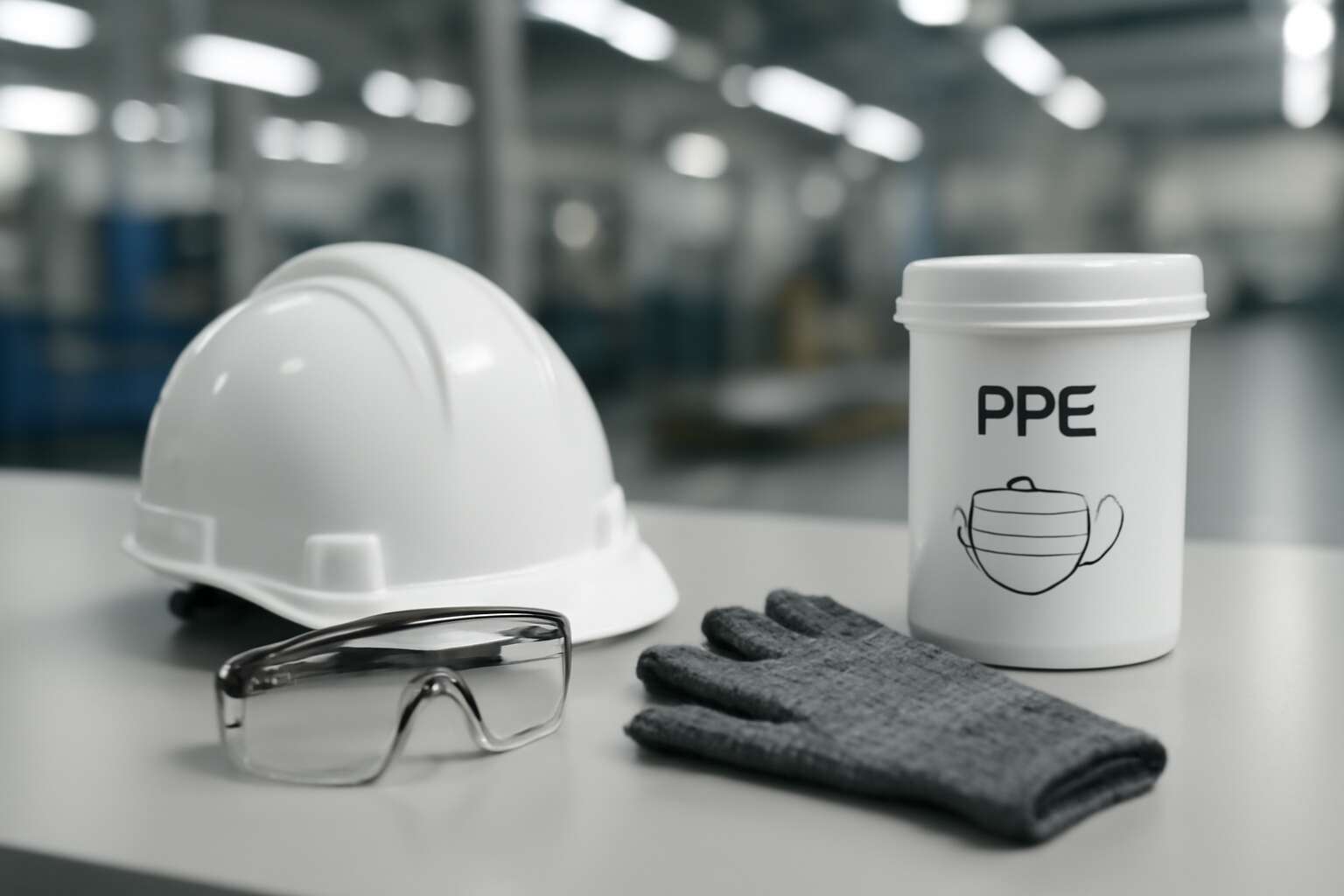
PPE Container Essentials
Overview of purpose and use cases
Within the bustle of South Africa’s workplaces, a PPE can is more than a box—it’s a guardian of readiness. Its purpose is simple yet powerful: to protect, preserve, and speed access to essential gear when moments matter. A well-kept ppe can safeguards respirators, gloves, and goggles for the next shift!
Across mining corridors, construction sites, clinics, and laboratories, this humble container reduces delays and elevates hygiene. A ppe can acts as a portable, orderly vault—easy to label, easy to audit, and surprisingly durable in harsh conditions.
- On construction sites where dust and moisture threaten gear
- In clinics and labs to separate clean from used PPE
- During field service and maintenance rounds to access essentials quickly
From rugged shells to color-coded labels, a ppe can is built for endurance and clarity. It turns safety into a ritual, where gear is stored with care and ready for the next mission.
Key features to look for in a PPE container
Field surveys from SA sites show workers spend up to 30% of shifts searching for ppe. That lost time isn’t just frustrating—it’s risky. A well-chosen ppe container becomes a silent ally, a true ppe can that keeps respirators, gloves, and goggles ready at a moment’s notice.
Key features to look for include:
- Durable, chemical- and dust-resistant shell that withstands SA conditions.
- Tight-sealing lid with a gasket to guard against moisture and fine particles.
- Clear labeling and color-coding for quick, error-free access.
- Removable trays or inserts to separate clean from used gear.
- Lockable latches and optional tamper-evident features for security.
- Mounting options or comfortable handles for easy transport on-site.
This ppe can is built for endurance, resilient against sun, dust, and grime as it travels from workshop to field site, turning storage into a steady rhythm of readiness.
Common materials and designs
In SA workplaces, time is the only constant—and the wrong container steals it. A ppe can built for SA conditions turns storage into steadiness, not chaos. Common choices include HDPE and rotationally molded plastics for longevity, while stainless steel or powder-coated aluminum stands up to heat and dust. These materials handle sunbaked days and gritty shifts, keeping gear in prime shape and ready for action.
- HDPE and rotationally molded plastics for durability
- Stainless steel or powder-coated aluminum for heavy use
- UV-stabilized finishes to resist sun damage
- Corrosion-resistant coatings for moisture-heavy environments
Interior layouts and exterior silhouettes converge here—designs favor ease of transport, secure lids, and cleanable surfaces that wipe down after dusty shifts. The right combination turns a simple can into a reliable companion on every site.
Durability and lifecycle considerations
Durability writes the first line of a PPE container’s story. On South Africa’s job sites, where heat sways like a torch and dust clings to every surface, the right ppe can become a steadfast guardian. It stays steady through sunbaked days and long shifts, turning fragile moments into reliable routines.
Lifecycle considerations shape the choice—from production ethics to end-of-life handling. A robust container is designed to endure exposure, keep interiors hygienic, and maintain seals that endure long service. This approach makes the ppe can a lasting partner on site.
- Long-term sun and grit resilience
- Interior hygiene and easy cleaning
- End-of-life recyclability and responsible disposal
Maintenance and hygiene best practices
On South Africa’s sun-scorched sites, heat and grit press on PPE storage. A recent industry pulse suggests nearly 70% of safety managers cite hygiene lapses as the root cause of degraded gear. The ppe can isn’t just a box—it’s a guardian that shines when kept clean, sealed, and ready for the next shift.
Maintenance is about keeping principles, not ticking boxes. Priorities include interior hygiene, seal integrity, and thoughtful storage that respects the materials and climate of South Africa’s sites. A well-cared-for ppe can extend its service life while defending workers from dust and heat.
- Interior hygiene and material compatibility
- Seal integrity and contamination control
- Sun exposure and storage considerations
Materials and Construction of PPE Containers
Materials used in PPE container construction
Across South Africa’s farms, clinics, and remote towns, a reliable PPE container is more than storage—it is safety in motion. When storms roll in and dust swirls, a sturdy shell keeps breathers, visors, and gloves ready and pristine for the moment they are needed.
Materials used in PPE container construction balance longevity with hygiene, a quiet promise of reliability.
- UV-stabilized high-density polyethylene for lightness and chemical resistance
- Food-grade stainless steel for hinges and fittings
- Impact-modified polypropylene for tough corners
- Silicone or EPDM seals to keep moisture out
Construction features embrace double-wall shells, reinforced corners, and locking mechanisms that tolerate heat and dust while staying user-friendly for quick access—every detail smoothed so the ppe can be retrieved with confidence.
In South Africa, local manufacture and design embrace rugged climates, from arid Karoo mornings to coastal humidity, ensuring these containers endure and perform with quiet dignity.
Construction standards for durability and resilience
A rugged frontline truth: a PPE container that falters travels with the team into the storm. In South Africa’s dust-filled mornings and coastal humidity, durability isn’t optional—it’s safety in motion, ready gear before the whistle blows.
Materials and construction fuse into a quiet fortress. The ppe can that houses breathers, visors, and gloves uses UV-stabilized high-density polyethylene, food-grade stainless steel hinges, impact-modified polypropylene corners, and silicone seals to keep moisture at bay.
Construction standards favor double-wall shells, reinforced corners, and locking that shrug heat and dust while staying accessible. Local SA manufacturing ties climate-smart design to rugged performance, from Karoo dawns to humid coasts.
- Double-wall shells for rigidity and insulation
- Reinforced corners to absorb impact
- Heat- and dust-tolerant locking mechanisms
- Moisture-sealing gaskets (silicone/EPDM)
Designs for ease of cleaning and decontamination
Safety wears a patient face when the last seal holds. In South Africa’s dust-choked dawns and humid coasts, a ppe can survive the roughest shift only if it dries fast after decontamination. I’ve seen the quiet mathematics of seals save a shift!
Interior design favors non-porous, wipeable surfaces and flush welds that shed grime. Removable liners and silicone/EPDM gaskets keep moisture out and speed the sanitizing ritual.
- Smooth, non-porous interiors
- Removable, sanitize-ready liners
- Flush, corrosion-resistant fasteners
- Sealed joints shed moisture and dust
Local SA makers tune these designs to climate and craft—so the ppe can endure the storm, safely. We stand with them in the workshop lights.
Weight, portability, and handling features
Weight is the silent handshake between trust and risk. A well-crafted ppe can travels with the crew through a harsh shift, a quiet guardian where minutes matter and fatigue compounds every carry. “A tool that reduces effort reduces error,” a SA craftsman notes, and that sentiment anchors every container’s design.
In terms of construction, weight and handling hinge on a few fixed constants:
- Featherweight shell engineered from impact-modified polymer
- Ergonomic, slip-resistant handles for confident transport
- One-handed, secure latches and balanced hinges
- Tight-sealed joints that preserve contents while shedding moisture
These choices translate into a ppe can that moves with the hand and the shift. Lightweight yet sturdy, it withstands SA’s dust-choked dawns and humid coasts as a portable fortress for clean, safe practice.
Corrosion resistance and sanitation considerations
Field work punishes neglect. A SA craftsman notes, “If it isn’t sealed, it isn’t safe.” For the ppe can, corrosion resistance and sanitation start at construction: an impact-modified polymer shell with stainless steel hardware and a UV-stable, non-porous interior that’s easy to wipe clean. This combination keeps the container light on shift-long journeys while standing up to dust-choked dawns and humid coasts.
- Impact-modified polymer shell
- Stainless steel hardware
- UV-stable, non-porous interior
- Sanitary gaskets and secure latches
Beyond materials, design decisions fight corrosion and infection: continuous welds, tight seals, and rounded corners prevent moisture traps. The joints shed moisture and resist common SA disinfectants. With durable seams and easy-to-clean surfaces, the container stays trustworthy between shifts.
Compliance and Standards for PPE Container Storage
Regulatory frameworks governing containers for protective equipment
Storage compliance is not an afterthought—it’s the quiet shield behind every frontline decision. In South Africa, the Occupational Health and Safety Act guides how containers for protective equipment must be sealed, labeled, and safeguarded from contamination. Standards bodies like SABS and regulators such as NRCS oversee conformity marks, while ISO 45001 adds a management‑system lens to keep PPE container storage consistent across shifts and sites.
- Occupational Health and Safety Act and storage regulations relevant to PPE containers
- SABS standards and NRCS conformity marks for protective equipment packaging and storage systems
- ISO 45001-based management systems that embed storage controls into ongoing safety programs
With these pillars in place, the path from factory floor to frontline protection feels more assured—because the ppe can integrity grounds decisions in traceability, hygiene, and accountability. When compliance frames storage, the gear stays ready to perform, and South African workplaces lean into safety with confidence.
ISO and ANSI guidelines for PPE storage solutions
Compliance isn’t a mere tick-box; it is the quiet engineer of reliability, shaping PPE container storage into a traceable, trustworthy system. ISO and ANSI guidance defines how packaging, labeling, and environmental controls cohere, keeping the ppe can flow from warehouse to frontline with integrity and clarity. In the South African context, these standards translate into auditable procedures that support hygiene, accountability, and safe handling across shifts and sites.
Key considerations aligned to ISO and ANSI guidelines include:
- ISO-aligned storage management principles that emphasize traceability, controlled environments, and consistent labeling
- ANSI guidelines for clear labeling, signage, and compatible container interfaces to minimize handling errors
- Conformity assessment practices that enable ongoing monitoring and cross-site consistency
With standards anchoring storage practice, readiness travels with every shipment of equipment—and the frontline gains confidence.
Certification processes and testing for safety
In a climate where safety incidents cost money, certification isn’t optional—it’s the reliability engine. A properly certified ppe can demonstrate that it passes legitimate tests and traceable procedures.
Certification isn’t a one-off box-tick; it relies on ongoing, independent verification. Key certification processes include:
- Third-party conformity assessments and independent testing
- Routine performance verification and environmental stress screening
- Documented traceability and auditable records across sites
These steps foster reliability, enable cross-site consistency, and support hygiene and safe handling across shifts and sites in the South African context.
Labeling, batch tracking, and documentation
“The last mile of safety is the label.” A safety veteran once whispered, and the warehouse listened. In South Africa, compliance and standards for PPE container storage labeling, batch tracking, and documentation are not extra steps—they are the engine of trust.
To harmonize across sites, every PPE can must carry clear, tamper-evident labeling, linked to a master batch record. A simple, consistent system helps hygiene, traceability, and accountability for ppe can usage.
- Labeling aligned with South African regulations and SABS standards, including product identity, hazard class, and storage instructions.
- Batch tracking that ties each container to manufacture lot, inspection dates, and last handling event.
- Auditable documentation with transfer logs, decontamination records, and disposal notes accessible across sites.
For a company, these practices translate into fewer interruptions, easier internal audits, and a reputation for reliability when safety matters most.
Environmental and sustainability considerations
South Africa’s warehouses are not just storage spaces—they’re compliance theaters where regulation and responsibility perform a quiet, precise dance. Compliance and standards for PPE container storage are not mere paperwork; they drive transparency, safety, and environmental stewardship. A well-governed ppe can program becomes the backbone of trust, linking every container to origin, handling events, and end-of-life planning under SABS and ISO guidelines.
Environmental and sustainability considerations shape design choices—material selection, recyclability, and energy use in storage facilities—without compromising sterility or accessibility. In SA, this means prioritizing non-toxic coatings, reducing packaging waste, and aligning with waste-stream regulations so that storage supports both people and the planet.
Key elements include:
- Lifecycle thinking from cradle to end-of-life
- Recyclable and non-toxic materials
- Energy and water efficiency in storage and handling
Choosing the Right PPE Container for Different Environments
Industrial and manufacturing settings
Choosing the right PPE container for industrial and manufacturing environments is a practical hinge on safety culture—a small box that keeps respirators, goggles, and gloves pristine can dramatically cut downtime and contamination. In South Africa’s dynamic workplaces, durable, well-sealed storage that’s easy to access shows that ppe can stay clean and ready between shifts.
Consider these practical pillars on the shop floor:
- Location and accessibility near work zones with ergonomic opening and clear labeling
- Effective sealing and moisture control to prevent humidity-related degradation
- Right size and modularity to accommodate helmets, visors, gloves, and other PPE without crowding
In spaces where footprint matters, wall-mounted or modular, stackable designs keep walkways clear and compliance evident, even as shifts change.
Healthcare and laboratory environments
Healthcare and laboratory floors are the final frontier where sterility meets practicality. A frontline nurse quipped, “If you can’t store PPE properly, you might as well throw it away.” Managing PPE storage in South Africa’s busy facilities isn’t just tidying up—it’s a safeguard against contamination and downtime.
In these environments, the right PPE container must blend hygiene, accessibility, and resilience. A ppe can that can withstand frequent cleaning while keeping contents pristine makes a real difference when shifts change and samples move through the workflow.
- Tamper-evident seals and airtight gaskets
- Wipe-clean, antimicrobial surfaces
- Clear labeling and modular compartments
Choose between wall-mounted units for tight spaces or portable carts for flexible lab benches. In sterile or controlled zones, opt for containers designed to tolerate disinfection cycles and resist humidity without compromising access.
Smart design choices reflect a bigger picture for South Africa’s dynamic healthcare and research landscape.
Food processing and sanitation requirements
In food plants, tidy PPE storage isn’t a nicety—it’s a compliance hinge. A frontline supervisor once said, “In sanitation, the line starts at the lid.” The right ppe can keep gloves, masks, and goggles clean and ready as shifts switch gears, preventing cross-contamination and downtime.
For food processing and sanitation, look for containers that resist moisture and caustic cleaners, seal tightly, and stay legible after repeated disinfecting cycles. Features include:
- Coatings that wipe clean and resist corrosion
- Airtight, tamper-evident seals to prevent contamination
- Clear labeling and modular compartments for quick access
A ppe can, tailored for these environments, merges hygiene with resilience, ensuring a fast, safe turnover on South Africa’s bustling production floors.
Outdoor and field operations
Field operations across South Africa throw sun, dust, and rain at PPE containers—and downtime with them. The ppe can alter throughput, turning simple storage into a strategic advantage. For outdoor and field environments, the container must endure moisture, grit, and rough handling while staying legible and accessible.
- Rugged, weatherproof shells that shrug off sun and rain
- UV-stabilized plastics and corrosion-resistant fittings
- Airtight seals and secure latches to keep debris out
- Clear labeling and color-coding for quick access
- Ergonomic handles and stackable interiors that survive decontamination
Such a container is not merely storage; it’s a mobile safeguard rooted in field realities—weatherproof, easily decontaminable and ready as crews switch tasks.
Cost of ownership and budgeting tips
Across South Africa’s vast landscapes, choosing the right PPE container is a quiet form of risk management. A well-chosen ppe can travel between field sites, absorbing moisture, dust, and decontamination cycles while staying legible and accessible.
- Upfront purchase price vs long-term maintenance and parts
- Lifecycle expectations: replacement intervals and decontamination costs
- Standardization and cross-team compatibility
- Warranty and vendor service levels
A thoughtful budget view looks beyond sticker price, valuing durability, cleaning ease, and the ability to re-purpose containers across tasks.



0 Comments