
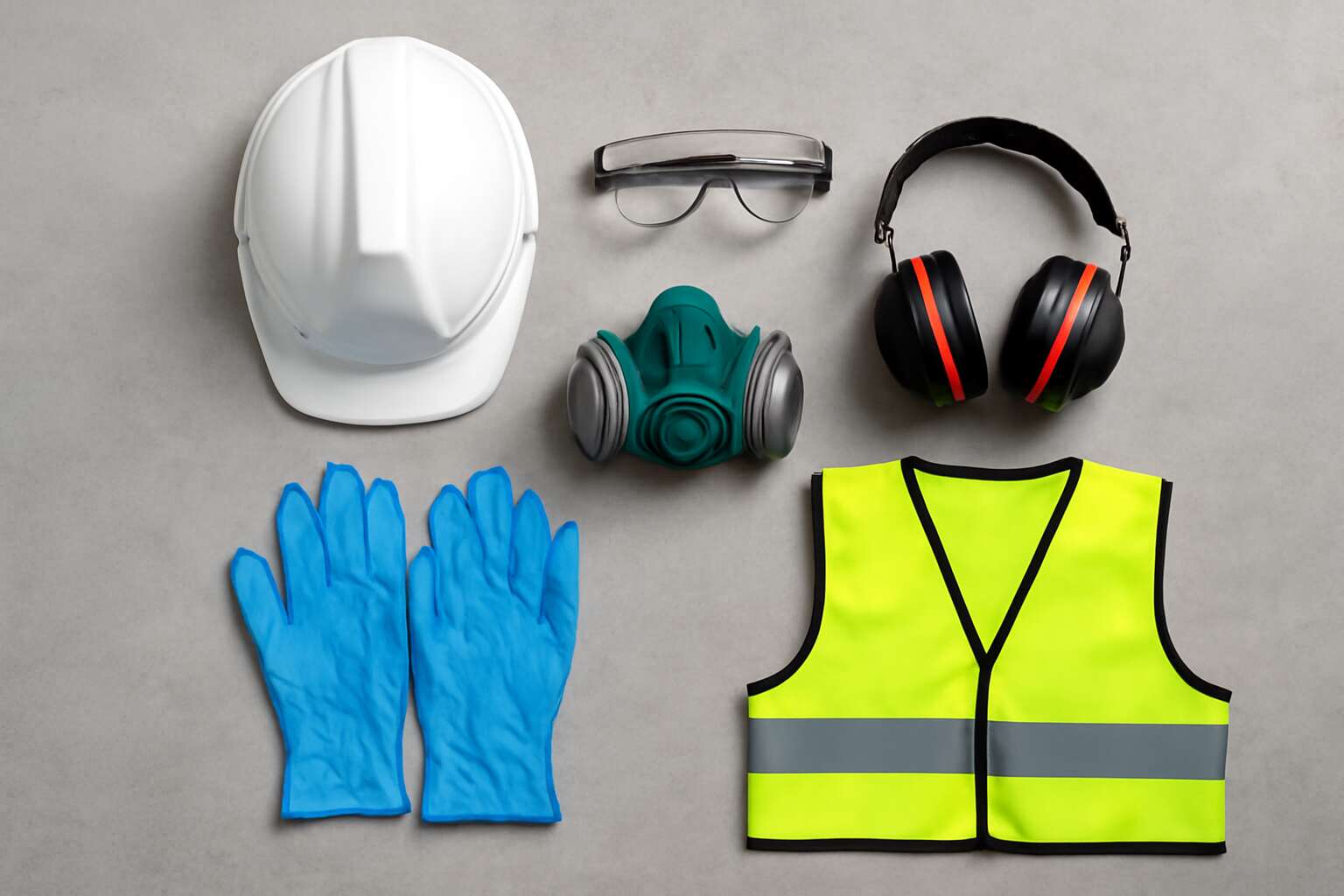
Understanding PPE categories and their functions
Personal protective equipment categories overview
In South Africa’s bustling worksites and quiet farms, protection is a daily shield. “Protection is a daily shield,” a SA safety officer reminds us, and it’s true—a single glove can determine a shift’s fate!
Understanding ppe and their functions starts with three broad categories:
- Respiratory protection
- Eye and face protection
- Hands and skin protection
These layers travel from the shed to the clinic, from the highway to the homestead. When workers feel the weight of a helmet or the grip of a glove, they carry more than protection—they carry confidence, dignity, and the promise that safety is a shared value.
Core protective functions by device type
On South Africa’s bustling worksites, injuries still trace back to PPE gaps—up to 60% in some sectors. During a recent site visit, I watched a moment with a bare hand remind everyone how quickly risk returns when protection slips. ppe and their functions guide choices, turning gear into daily guardians that shield more than skin—they shield a shift’s rhythm.
- Respiratory devices: filter hazards and deliver clean air to the lungs, protecting against dust, fumes, and smoke.
- Eye/face shields: guard against splashes, debris, and glare, preserving visibility and calm under pressure.
- Hand and skin barriers: prevent cuts, chemicals, and abrasions while preserving dexterity.
That daily shield is a shared value on SA sites, where confidence and dignity ride on the fit of a glove and the seal of a mask.
How PPE complements engineering controls
South Africa’s bustling worksites reveal the truth: PPE gaps still drive injuries. Understanding ppe and their functions isn’t about chasing a single gadget—it’s about matching gear to risk and workflow, so a glove fits like confidence and a mask seals like a plan.
Think of PPE as part of a safety duet with engineering controls. Ventilation, guarding, and procedures clear the air; PPE becomes the steady backup that keeps a team productive when the job jolts or debris flies.
To keep this synergy sharp, a few basics matter:
- Fit and comfort influence everyday use; a poor seal undermines protection.
- Regular inspection and timely replacement help keep protection intact.
- Clear training embeds PPE as part of daily routines rather than a chore.
Role of PPE in hazard assessment
On South Africa’s bustling worksites, injuries persist when PPE doesn’t match the task. A recent safety review links nearly half of injuries to PPE that’s ill-fitting or inappropriate. Understanding ppe and their functions is more than picking gadgets—it’s about matching risk to routine, so a glove feels like confidence and a mask seals like a plan.
PPE categories are not a parade of gadgets; each type acts as a barrier, filter, or shield at different points in the workflow. In hazard assessment, PPE is weighed alongside engineering controls to close gaps where exposure spikes. The right protection supports teams when dust rises, heat climbs, or debris flies, helping the job stay on course.
That mapping is less about gadgets and more about consistency—the look, feel, and upkeep of gear becoming a quiet part of daily work rather than a box-tick moment.
Mechanisms of protection provided by PPE
Barrier protection and containment
Protection is a daily pact with risk, enacted through the garments we wear and the closures we fasten. A well-timed glove and a securely sealed visor can stop more than a spill; they stop uncertainty from becoming injury in South Africa’s busy workplaces.
Barrier protection and containment begin where fabric and design meet risk. Understanding ppe and their functions helps teams select the right barrier and containment features.
- Impermeable materials that block liquids and aerosols
- Sealed seams and closures to prevent breaches
- Ergonomic fit at wrists, ankles, and collars to maintain coverage
Materials, seams, and fit coalesce to keep hazardous contact at the boundary.
Physical defenses and shields
Across South Africa’s bustling workshops, a simple truth glints like a held breath: ppe and their functions govern the boundary between risk and resilience, reducing exposure by as much as forty percent when properly chosen and worn. In this landscape, bodily guards become a quiet chorus of fabric and design.
Physical defenses and shields operate like a living second skin. They block liquids, stop aerosols, and slow the touch of chemical vapours.
- Barrier fabrics with tight weave and hydrophobic finishes deter spills and spray.
- Sealed joints and reinforced closures trap hazards at their source.
- Ergonomic contours that flex with movement keep coverage at wrists, ankles, and collars.
Together, materials, seams, and fit choreograph a stable boundary that keeps the workplace safer without slowing the flow of work.
Filtration and respiratory protection principles
In the rhythm of South Africa’s workshops, filtration and respiratory protection stand as the final gate against airborne hazards. When properly fitted, respirators can cut inhalation exposure by up to 95%, turning risk into measurable protection. Understanding ppe and their functions anchors the safety story in real protection.
Filtration works by trapping particles in a dense fibrous maze. Disposable respirators, elastomeric units, and powered systems bring different protection factors, but the core idea remains: a tight seal and a high-efficiency filter reduce what reaches the lungs. Media type, electrostatic charge, and airflow design influence performance and comfort on long shifts.
- Fit testing and seal checks
- Filter type and replacement interval
- Maintenance and storage practices
These mechanisms smooth the line between risk and routine, letting workers focus on craft rather than fear.
Impact and thermal protection mechanisms
Protection isn’t magic; it’s a layered barrier that blocks, cushions, and cools. In South Africa’s bustling workshops, ppe and their functions aren’t a slogan but a lifeline—creating a shield against particles, heat, and impact so daily toil stays safe, not a roulette wheel.
Fundamental mechanisms include barrier protection, thermal management, and energy dispersion. The right materials trap heat, wick moisture, and cushion shocks, turning rough environments into manageable workspaces.
- Barrier protection against particulates, fluids, and abrasion
- Thermal insulation and radiant heat management
- Impact absorption and energy dispersion
- Moisture management for grip and fatigue reduction
In practice, these protections operate like a discreet partner—quietly preserving dexterity, comfort, and safety while you focus on the craft. For SA workplaces with scorching summers or brisk winters, the right blend of materials makes temp management feel almost effortless.
Essential PPE types and their functions in practice
Respiratory protection devices and use cases
In South Africa’s bustling workshops, every breath is a hinge between safety and fate. The impact of proper respiratory protection is tangible—exposure can drop by 60–90% when devices fit and are worn correctly. This is the realm of ppe and their functions, a quiet sentinel against dust, fumes, and vapors.
- N95 disposable respirators for dust and aerosols
- Elastomeric half-face or full-face respirators with replaceable cartridges for chemicals and fumes
- Powered air-purifying respirators (PAPRs) for long shifts or high-contamination tasks
Respiratory protection devices vary by seal, filtration, and adaptability to work—mining dust, welding fumes, or chemical splashes. Proper selection aligns with the task, while fabric and fit guard the wearer through long hours and shifting conditions.
Eye and face protection functions
In South Africa’s bustling workshops, a single shard of light can become a lifetime change—eye protection is where safety takes a visible stand. The ppe and their functions extend to the delicate frontier of vision: eye and face protection functions block dust, splash, and sparks, while preserving clear sight and comfortable wear across long shifts.
- Safety glasses with side shields for dust and debris
- Goggles for chemical splashes and moisture
- Face shields for spray, splatter, and radiant heat
- Welding helmets for arc and infrared protection
Eye and face protection is best seen as a constant companion, not a temporary shield. In practice, choosing the right combination means considering task risk, fit, and compatibility with other PPE, so vision remains unhindered and confident.
Head protection and hearing protection roles
Safety doesn’t slow you down; it keeps your future bright, a SA workshop supervisor often says, and it’s a truth many teams live by in South Africa. Head protection isn’t just a helmet—it’s a dependable shield against impact and debris, designed to fit a busy day on the shop floor.
In practice, ppe and their functions shape how we select gear that protects without stealing mobility. A hard hat should fit snugly, vent well, and accommodate hearing protectors or face shields as needed. South Africa’s workshops demand gear that respects comfort as much as safety.
Key head protection types and their roles, bridging safety with practical comfort:
- Hard hats for impact and falling-object protection
- Bump caps for lighter, everyday hazards
- Electrical-rated helmets for live circuits
- Earmuffs and earplugs to manage hazardous noise
Hand and foot protection in daily operations
In a busy South African workshop, a glove can save a finger and keep line moving. The right hand and foot protection choices cut interruptions and boost productivity. Understanding ppe and their functions helps teams pick gloves and boots that work with daily tasks.
Key hand and foot protection in practice includes a few reliable options:
- Gloves for grip and protection: cut-resistant for sheet metal, chemical-resistant for solvents, and insulated for cold environments.
- Safety footwear: steel-toe or composite toes, slip-resistant outsoles, and puncture protection.
- Specialized options: heat-resistant gloves, anti-vibration mitts.
These choices cushion hazards without hindering movement.
Fit, maintenance, and inspections matter. Gloves and boots should fit well; replace worn parts and store gear away from chemicals. In SA workplaces, checks at start keep gear ready. When teams understand ppe and their functions, they adapt to changing tasks.
Choosing, using, and maintaining PPE: standards and best practices
Regulatory standards and certification basics
Safety isn’t flashy, yet it’s the currency of trust on South Africa’s shop floors. A well-chosen set of gear can cut risk, and experience shows crews perform with confidence when gear feels like a second skin. Understanding ppe and their functions matters—it’s the difference between hesitation and momentum. A seasoned supervisor once said, ‘Safety is a conversation you win by preparation.’
Choosing gear means balancing fit, comfort, and standards; the right PPE supports performance without hindering work. Here are regulatory standards and certification basics to keep in mind:
- SABS mark for local South African compliance
- CE marking for international compatibility
- Eye protection aligned with EN 166
- Respiratory protection aligned with EN 149
Maintenance is less about ritual and more about continuity: proper storage, timely replacement, and mindful handling preserve protective value across shifts. The culture around PPE travels with crews—from workshops to field sites—keeping confidence high as the day unfolds.
Proper selection based on hazards and fit
Choosing gear begins with hazards and fit. A clear grasp of ppe and their functions matters because the right gear protects without slowing you down on South Africa’s bustling shop floors. The aim is to pair protection with daily performance, not drama.
Standards and certification anchor decision-making: select pieces with SABS or CE marks, ensure EN 166 eye protection, EN 149 respirators, and verify proper fit for each worker. When using PPE, train workers to don, doff, and inspect items quickly, keeping them accessible and clean.
- Hazard-based selection and appropriate protection
- Comfort, sizing, and ease of movement
- Timely maintenance, storage, and replacement
Maintenance is continuity—tightly stored, replaced when signs of wear appear, and handled with care across shifts, maintaining protective value and morale.
Donning, doffing, and user training
On South Africa’s bustling shop floors, the right PPE is more than gear—it’s performance. A single misfit can slow a shift and undermine safety. Understanding ppe and their functions helps teams pair protection with daily work, not drama.
Standards guide the donning, doffing, and ongoing user training, keeping practices consistent across shifts. The goal is to embed a culture where equipment remains clean, accessible, and ready for action. Donning, doffing, and training aren’t rituals; they’re continuity in motion!
- Donning: ensure proper fit, coverage, and minimal restriction
- Doffing: follow a controlled sequence to contain contamination
- Training: regular, hands‑on refreshers that fit real work rhythms
Maintenance is continuity—store items securely, replace when wear appears, and inspect at the start of each shift. Keep PPE clean and within reach so it retains protective value and boosts morale on the floor.
Inspection, cleaning, and maintenance routines
On South Africa’s bustling shop floors, protection is more than gear—it’s performance. A foreman once told me, ‘You don’t notice PPE until it fails.’ That hits home on a hot afternoon! Understanding ppe and their functions helps teams pair protection with daily work, not drama, keeping shifts steady and injuries rare.
Standards shape choosing, using, and maintaining PPE, turning safety into a quiet routine rather than a chore. When followed, these guidelines keep gear compliant, comfortable, and ready for action.
- Inspection and replacement for worn items
- Cleaning and decontamination per manufacturer guidance
- Secure storage and easy access
The result is a safer floor and renewed morale across teams.
PPE across industries: role, regulations, and case studies
Healthcare PPE essentials and workflows
<pIn workplaces of every kind, PPE is the first line of defense—it's the difference between a close call and a career change. ppe and their functions guide daily decisions, shaping what gear is kept on hand and how it's used. Across sectors, the goal is simple: protect people, keep operations running, and lower risk!
- Healthcare: gloves, gowns, masks
- Construction: helmets, eye protection, high-visibility clothing
- Manufacturing: respirators, face shields, hearing protection
In South Africa, regulations emphasize proper selection, fit, and training, with audits guiding ongoing improvements. Case studies across healthcare and mining show measurable safety gains when PPE programs align with real workflows.
Construction and manufacturing PPE requirements
Across SA workplaces, PPE isn’t a backdrop—it’s a living contract between task and safety, and I have watched it change lives! A recent industry survey shows double-digit reductions in injuries when PPE is treated as part of the workflow, not an afterthought. ppe and their functions anchor every shift, from the warehouse ramp to the factory floor, and they bridge risk with resilience.
In construction and manufacturing, regulations from the Occupational Health and Safety Act (OHSA) and Construction Regulations shape who wears what, when, and how. Compliance isn’t about checklists; it’s about fit, training, and ongoing vigilance that turns hazard awareness into habit.
Case studies from the sector illustrate the shift.
- Construction: rigorous PPE programs paired with near-daily toolbox talks reduced exposure to fall and impact hazards on multi-story sites.
- Manufacturing: integrated hearing protection, eye protection, and cut-resistant hand protection alongside risk assessments lowered incident rates and improved morale.
Chemical handling and specialized PPE
In SA workplaces, chemical handling is the high-wire act; a single splash can derail a shift. A safety survey shows double-digit drops in injuries when PPE is treated as part of the workflow—it’s not an afterthought.
Understanding ppe and their functions helps teams apply the right protection without turning every job into a safety sermon. OHSA regulations shape who wears what and when for chemical risk. PPE must be tailored to hazards: chemical-resistant gloves, splash goggles, impermeable coveralls, and respirators where vapours loom.
- Chemical-resistant gloves and sleeves
- Splash goggles or face shields
- Respiratory protection for vapour exposure
Case studies from the sector show that integrating chemical PPE with hazard assessments lowers incident rates and boosts morale. It’s a fine line between hazard management and a practical, portable shield—and the results speak for themselves!
Emerging trends and future PPE innovations
In SA workplaces, injuries drop when PPE is treated as a core step in the workflow, not an afterthought. This is where ppe and their functions matter. Understanding how gear fits each job keeps teams focused and protects people without slowing production.
Regulations from OHSA decide who wears what and when, especially for chemical risk. Across sectors—from mining to construction—PPE choices must be tailored to hazards, with gloves, eye protection, and respirators chosen to match exposure and duty cycles. This is practical protection that keeps sites moving!
Case studies show hazard assessments plus PPE reduce incidents and lift morale. Emerging trends point to smarter, lighter, more adaptable gear.
- Smart PPE with built-in sensors and connectivity
- Modular, multi-use garments designed for quick changes
- Recycled or bio-based materials reducing environmental footprint

0 Comments