Alpinist Safety Consultants Head Office is a Store establishment in Southfield, Western Cape, South Africa
Alpinist Safety Consultants Head Office — Store, Southfield (Western Cape, South Africa)
Alpinist Safety Consultants Head Office presents itself as a specialist outfit focused on work at height, with a clear emphasis on rope access, rescue operations, and geotechnical tasks. Based in the Store category in Southfield, Western Cape, the business positions itself as a provider for individuals and organisations requiring advanced access solutions and emergency response capabilities related to height-related activities.
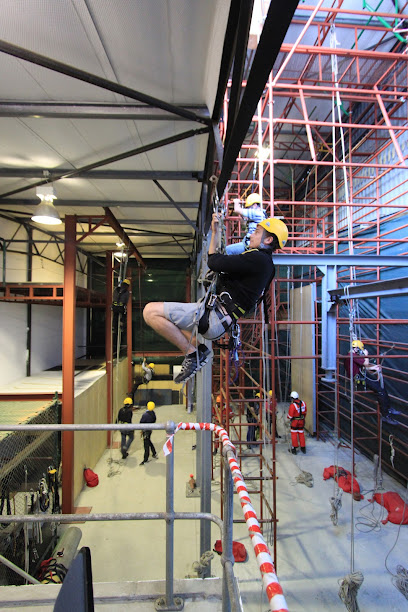
The primary services are organised into three core offerings. First, the Rope Access service targets workers who operate at height and require safe access and fall-arrest methods. The phrasing indicates a focus on professional applications where controlled movement and safety systems are essential for tasks conducted in elevated or vertical environments. This positioning aligns with industries and site conditions where rope-based access is the preferred method for reaching work areas that are inaccessible or impractical for conventional methods.
Second, the Rescue service is presented as a dedicated solution for rescue and emergency service professionals. This suggests a repertoire that includes planning, training, and execution of rescue operations in high or challenging locations, with an emphasis on preparedness and rapid, safe outcomes in critical scenarios. The branding here communicates a capability to support operators who may encounter life‑threatening situations or complex access challenges where expert rescue support is necessary.
Third, the Access, Rescue, and Work grouping points to a broader scope that includes “difficult access tasks” and “geo-technical projects.” While specific project details are not enumerated in the available content, the mention of geo‑technical work implies involvement in tasks that intersect ground conditions, stability concerns, and height-related engineering activities. Clients seeking such work may include construction teams, mining-related projects, or sites with challenging terrain where stabilisation and safe access are critical.
The information available from the site suggests a straightforward engagement model: clients approach via these service areas for work-at-height demands and rescue support rather than a general consumer store offering. The three service pillars help potential customers quickly identify the appropriate category for their needs—whether it is access to elevated work zones, emergency response preparation and execution, or complex tasks that require specialist access capabilities tied to geotechnical considerations.
From visitor feedback, the public perception of the business is minimal in terms of detailed reviews, with several short snippets indicating general appreciation or courtesy replies from the owner’s side, rather than extensive testimonials about specific projects or outcomes. This sparse review footprint means prospective clients may prioritise direct inquiries to obtain tailored information about credentials, certifications, equipment standards, and project experience. The reviews do, however, collectively signal that the operation has been present in the local market for some time and is recognised by individuals who have engaged with it in the past.
Typical job types and applications inferred from the service framing include.
- Work-at-height tasks requiring rope access techniques and fall-arrest systems in industrial or construction settings.
- Rescue and emergency response support for professionals who need specialised training or operational backing in difficult access scenarios.
- Geo-technical and other challenging site projects where access innovation and safety are paramount.
Practical tips for customers looking to engage Alpinist Safety Consultants Head Office:
- Clarify the exact service category that matches the project requirements (Rope Access, Rescue, or Geo-Technical Work) to ensure the right expertise is mobilised.
- Prepare specifics about site conditions, height dimensions, and any known safety hazards so that the provider can assess equipment needs and training requirements.
- Request a clear outline of qualifications, safety standards, and the scope of deliverables, including timelines and on-site safety protocols.
- Discuss maintenance and inspection routines for any fall-arrest or rope-access systems to confirm ongoing safety and compliance.
- Seek guidance on contingency planning for unexpected conditions at height, including rescue readiness and emergency procedures.
Typical hours and geographic reach are not explicitly stated in the available content. The business is positioned as serving Southfield, Western Cape, and the surrounding area, with a focus on clients needing height-access and rescue-related services.
Overall, Alpinist Safety Consultants Head Office presents a concise trio of service pillars—Rope Access, Rescue, and Access/Work—alongside a niche emphasis on challenging access and geotechnical applications. For organisations operating in South Africa’s Western Cape, the offering appears aimed at those prioritising professional, safety-forward solutions for work at height and related emergency response tasks.
Southfield
Western Cape
South Africa
Sorry, no records were found. Please adjust your search criteria and try again.
Sorry, unable to load the Maps API.
Store Services in Southfield, Western Cape
Southfield, a suburb in the Western Cape of South Africa, presents a diverse range of retail and support services designed to meet daily needs and business requirements. Stores in this area commonly combine groceries, household goods, and convenience items with practical services that support households and local enterprises. Visitors can expect a blend of modern shops and traditional storefronts that cater to a mix of residents, commuters, and students from nearby facilities.
In-store experiences typically begin with easy access and clear layout. Well-signed entrances, visible aisles, and logical product groupings help shoppers navigate efficiently. Many stores provide a basic offering of fresh produce, dairy, bakery items, chilled beverages, and pantry staples, alongside non‑perishable goods and household essentials. Larger supermarkets or regional chains may extend selections to prepared foods, deli counters, and limited catering options, while smaller independents focus on prioritising affordability and convenience for everyday needs.
Customer service tends to be straightforward and practical. Assistance through information desks, checkout staff, and store associates is common, with helpful guidance on locating items, price checks, and refunds where applicable. Some stores offer loyalty or rewards programmes, but these vary by shop and are not universally encountered. In areas with bustling footfall, staff may manage queues, provide carry-out assistance, and offer motorised trolleys or baskets for shopper convenience.
Payment methods usually include cash, debit, and major cards, with increasing adoption of contactless payments where available. Stores often provide self‑service checkouts as a time-saving option, particularly during peak periods. Ticketed or weight-based items, such as produce or bulk goods, are commonly priced per unit or kilogram, with visible unit pricing to support quick decision‑making. Where relevant, some stores may have dedicated queues or service points for customer queries, returns, or warranty considerations.
Practical considerations for shoppers include parking availability, which is frequently found on-site or nearby, with signage indicating bays and accessibility options. Store hours tend to align with local rhythms, offering extended opening times on weekdays and more limited hours on weekends. Accessibility features, such as ramps or accessible doors, enhance convenience for all customers, while clear aisles and adequate lighting improve safety and ease of movement inside the store.
Many Southfield stores emphasise a community‑minded approach, stocking regionally produced items or seasonal offerings. Localised products, when available, provide a sense of familiarity and encourage residents to support nearby producers. For those planning a stopover, the surrounding shopping precincts may offer complementary services such as banking, postal facilities, or small eateries, creating a convenient one‑stop experience for routine errands.
When considering shopping for larger or more specialised needs, customers are advised to verify item availability, operating hours, and any bulk purchase options directly with the store. For perishables, attention to best‑before dates and storage recommendations helps ensure quality. For safety and security, it is prudent to be aware of crowded periods and to manage personal belongings accordingly. Overall, stores in Southfield deliver reliable access to everyday essentials, with a focus on practicality, local context, and efficient service for both residents and visitors.