VIKING Life-Saving Equipment (SA) (Pty) is a Safety equipment supplier establishment in Durban, KwaZulu-Natal, South Africa
VIKING Life-Saving Equipment (SA) (Pty) — Safety equipment supplier in Durban, KwaZulu-Natal
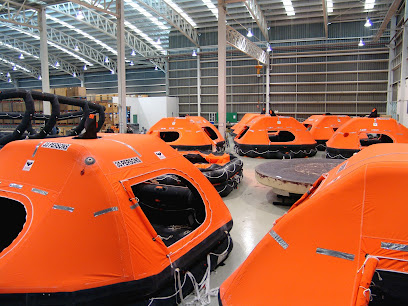
VIKING Life-Saving Equipment operates as a global maritime safety partner, offering a comprehensive range of life-saving and safety systems suitable for a wide spectrum of ship types and offshore operations. In the Durban region, the business is presented as part of a worldwide network that includes lifeboats, evacuation systems, liferafts, personal protective equipment, firefighting equipment and related safety training. The emphasis across materials available to customers centres on reliability, compliance with international standards, and a robust service backbone supported by an extensive network of service stations and trained technicians.
From a services perspective, VIKING promotes an end-to-end safety solution framework. The core offerings include life-saving appliances such as lifeboats, fast rescue boats, and various evacuation systems, complemented by liferafts and a broad suite of PPE and firefighting equipment. The company also highlights its training programmes, which are aimed at ensuring that crews and shore personnel are prepared to operate safety equipment effectively and in line with recognised standards. Taken together, these elements position VIKING as a single source for both equipment provision and the ongoing safety competencies required on modern vessels.
Customer experience within this category is framed by a global service network and standardised practices designed to deliver consistent quality. The company maintains a sizeable footprint of service capability, with hundreds of certified service stations and a cadre of highly trained technicians. This network is described as globally uniform and audited, which implies a predictable servicing experience for clients regardless of location. The emphasis on OEM-quality support further reinforces the impression of high reliability and standardisation across replacements, inspections, and servicing tasks.
The typical engagement model involves the submission of safety equipment requests and inquiries through an online channel. Prospective customers can build an inquiry listing the required items—ranging from liferafts and evacuation systems to PPE and training components—and receive a quotation in response. This approach supports structured procurement, enables the consolidation of safety requirements, and aligns with managed services concepts such as Shipowner Agreements that aim to streamline compliance and administration for onboard safety management. While specific pricing or contract terms are not detailed in the accessible content, the system is described as designed to expedite response times and clarify safety needs early in the process.
In practical terms, customers may look for the following typical pathways when engaging with the Durban-based arm of VIKING Life-Saving Equipment:
- Assessing needs for life-saving appliances and related equipment across sectors such as commercial shipping, cruise and ferry, offshore oil and gas, and fishing.
- Leveraging the global service network for installation, inspection, maintenance and replacement services, underpinned by audited quality standards.
- Using the online inquiry tool to assemble an order of safety products and obtain a prompt, customised quotation.
- Considering Shipowner Agreements as a framework to simplify onboard safety management, documentation, and ongoing compliance tasks.
For customers planning site visits or on-site service, practical tips include documenting vessel details, equipment inventories, and regulatory requirements in advance to facilitate accurate quotations and scheduling. It is also prudent to align with the credible service network by confirming the availability of a nearby Viking service station or technician and clarifying expected timelines for inspection, servicing or retrofit work. Given the emphasis on safety-critical equipment, ensuring that the chosen provider can offer traceable servicing records and compliant installation practices is advisable.
Key practical takeaways for prospective clients include recognising the breadth of safety solutions offered, the advantage of a globally consistent service standard, and the convenience of a streamlined inquiry process that leads to timely quotations. The Durban presence benefits from proximity to regional maritime activity while drawing strength from Viking’s extensive international infrastructure, training academies, and a large fleet of service stations dedicated to maintaining safety equipment at peak readiness.
Hours and direct access details are not specifically stated in available materials, but the organisation’s global footprint and service-network approach suggest a readiness to support clients across Durban and the KwaZulu-Natal region through established service stations and certified technicians. The scope of industries served includes commercial shipping, cruise and ferry operations, offshore wind, oil and gas, defence and professional sectors, fishing, and yachting, reflecting a broad applicability of safety equipment and training services to maritime and related activities.
Durban
KwaZulu-Natal
South Africa
Sorry, no records were found. Please adjust your search criteria and try again.
Sorry, unable to load the Maps API.
Safety equipment supplier services in Durban, KwaZulu-Natal
Durban, a coastal city in KwaZulu-Natal, hosts a diverse range of safety equipment suppliers catering to industrial, construction, and maritime sectors. These providers typically offer an assortment of personal protective equipment (PPE), safety gear, and related services designed to support compliant, safer workplaces across various industries. The focus is on practical, fit-for-purpose solutions that address daily safety needs while considering local regulatory expectations and climate conditions.
Core service areas commonly encountered include the procurement and delivery of PPE such as head protection, eye and face protection, hearing protection, respiratory gear, gloves, high-visibility clothing, and protective footwear. Suppliers frequently stock items suited to South African work environments, including rugged construction products, chemical handling equipment, and specialised PPE for high-humidity coastal conditions. Clients may expect guidance on selecting appropriate items for specific tasks, workplaces, and hazard profiles, alongside access to a range of sizes and fits to accommodate diverse workforces.
In addition to product supply, many Durban-based safety providers offer site assessment services aimed at identifying risk factors and recommending suitable controls. Such assessments may cover contact with chemicals, fall protection needs, machine guarding, electrical safety, and emergency response equipment. This consultative element helps organisations implement practical safety plans aligned with local regulations and best practices, while supporting ongoing compliance monitoring.
Maintenance and lifecycle considerations feature prominently. Suppliers often provide programmes for the inspection, maintenance, and replacement of equipment, including reusable items such as respirators, fall-protection gear, and safety footwear. Customers can expect guidance on proper storage, cleaning, and ensures of timely replacements to sustain performance. Warranty information, product recalls, and after-sales support are common components of the service offering, with some providers facilitating on-site servicing or local repair networks to minimise downtime.
Compliance and training frequently intersect with product provision. While a supplier is not a regulatory authority, many offer information and resources related to South Africa’s occupational health and safety expectations. This can include general guidance on standards, certification considerations, and referral networks for formal training programmes. Training may cover the correct use of PPE, basic risk assessment concepts, and the practical application of safety controls in realistic work settings. The emphasis remains practical: ensuring that staff understand how to use equipment correctly and recognise when replacements or adjustments are required.
Practical considerations for engaging a safety equipment supplier in Durban include assessing stock breadth, delivery capabilities, and service reliability. Businesses typically look for suppliers with local warehousing or dependable logistics that can accommodate urgent orders, particularly in high-demand sectors such as construction and manufacturing. Availability of custom ordering options, bilingual or locally familiar staff, and clear pricing structures are also valued. Size, location, and capability influences delivery lead times, after-sales service reach, and the ease of arranging equipment exchanges or returns.
Overall, safety equipment supplier services in Durban are oriented toward practical outcomes: enabling safer workplaces through appropriately sourced PPE, supportive maintenance programmes, and guidance on managing risk within the region’s regulatory context. For organisations seeking reliable, locally attuned partners, emphasis tends to fall on product suitability, timely supply, ongoing maintenance support, and accessible expertise that aids compliant and efficient operations across KwaZulu-Natal.