
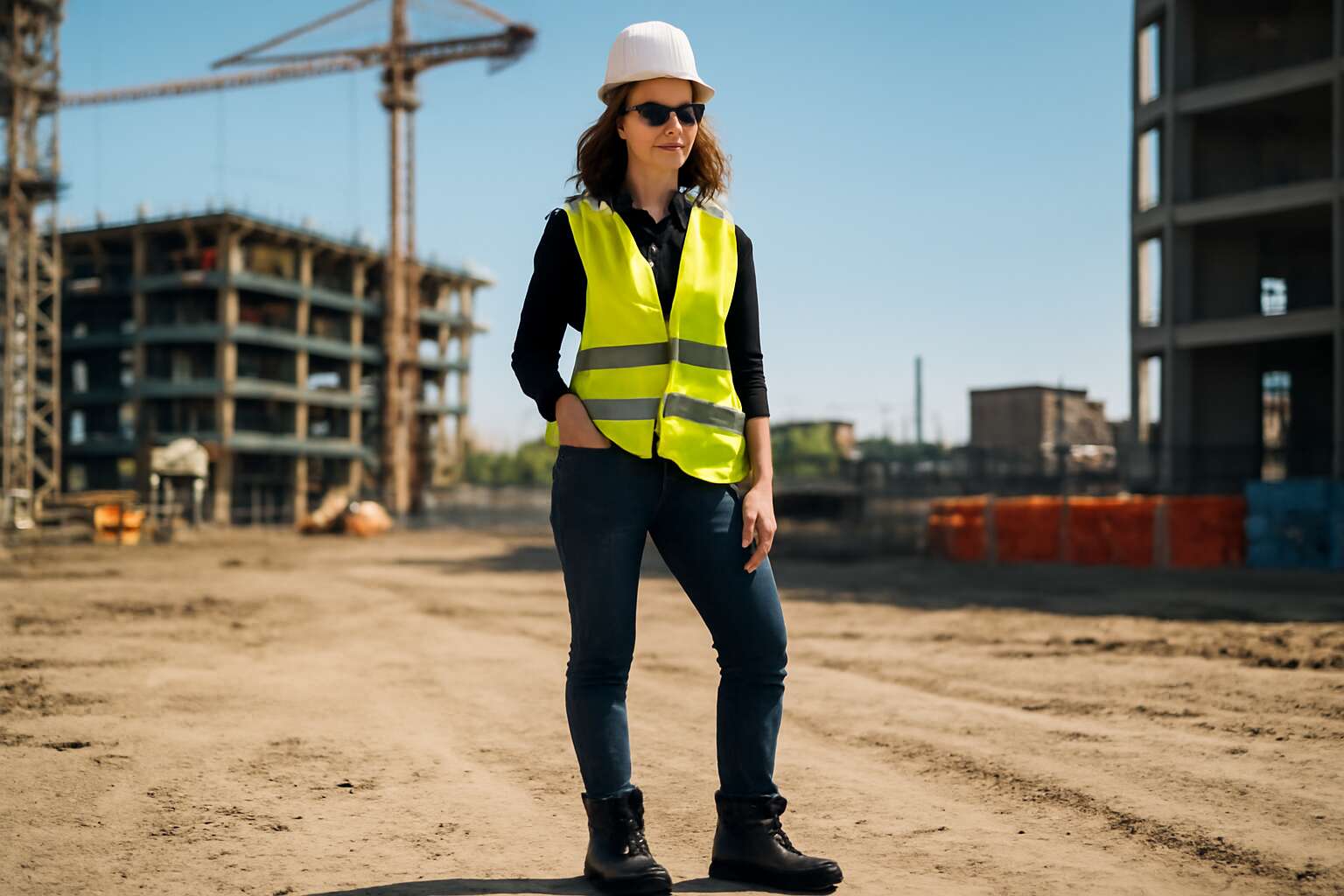
Choosing the right safety boots for women
Sizing and fit considerations for women
Across South African workplaces, comfort and safety hinge on fit. The right pair of PPE boots for women blends protection with a foot-friendly silhouette, not a one-size-unisex approach. A well-fitting boot reduces fatigue and keeps workers alert for the job at hand. That’s essential!
- Women’s-specific last and contour for heel and arch alignment
- Toe box width and height, with options (narrow to wide)
- Secure heel grip and appropriate lacing for staying power
- Removable insoles or add-on arch supports for customization
Look for boots designed with a women’s last and multiple width options, plus secure heel grip and cushioning for long shifts. When trying them on, wear the work socks used daily and move through a quick walk to test stability; EN ISO 20345 certification offers a reliable benchmark.
Anatomy of a gender-fitted safety boot
Across South Africa’s busy job sites, a boot that truly fits matters more than fashion. “Comfort is safety on the job,” a veteran fitter often says, and that truth travels from mines to mills. For ppe boots for women, silhouette and support must align with female feet, not a unisex mold. A well-fitted boot cuts fatigue on long shifts and keeps focus sharp for the work at hand.
Anatomy of a gender-fitted safety boot shows how design serves the foot instead of forcing it into a stereotype.
- Women’s last and arch alignment
- Toe box width and height options
- Secure heel grip and appropriate lacing
- Removable insoles or add-on arch supports
Beyond fit, ppe boots for women in South Africa’s workplaces should carry a reliable safety standard, such as EN ISO 20345, and offer cushioning that lasts through long shifts. The result is footwear that respects a woman’s stride while delivering dependable protection.
Trying on and test-walk tips for better fit
On South Africa’s bustling job sites, a boot that keeps pace with the day is priceless. Choosing the right PPE boots for women begins the moment they meet your stride—try them on with the weight of a tool belt and walk as you would on a full shift. A well-fitted boot isn’t vanity; it’s safety’s quiet companion, keeping fatigue at bay and concentration sharp.
Here are test-walk cues to guide your choice:
- Walk on varied surfaces to feel how the boot meets ground feedback.
- Check toe-box comfort with a gentle flex and subtle toe wiggle.
- Lock the heel into place; the counter should stay snug without rubbing.
- Keep moving through a few paces to gauge arch support and balance.
Choosing the right ppe boots for women that fit gracefully is a small revolution in a hard hat world—your steps deserve it.
Materials, construction, and performance
Upper materials and waterproof options
On South Africa’s sites, the right ppe boots for women are a shield against fatigue and misstep. Upper materials balance durability and comfort: full-grain leather, nubuck, or breathable synthetic microfiber, with sealed seams and waterproof membranes like Gore-Tex for damp days.
- Full-grain leather for durability
- Nubuck or breathable synthetic microfiber
- Waterproof membranes (Gore-Tex) and seam sealing
Construction shapes the shield: steel or composite toe choices, a reinforced midsole, and a puncture-resistant plate; outsoles engineered for slip resistance and grip on slick floors. A women’s-specific last reduces pressure points and supports a stable stride.
Performance hinges on breathability paired with protection; durable uppers shed water while remaining comfortable, and care routines extend life, ensuring ppe boots for women stay reliable across seasons and shifts.
Toe protection and safety features
Materials form the first shield: ppe boots for women blend durability with comfort; full-grain leather resists scuffs, nubuck offers pliability, and breathable synthetic microfiber keeps feet cool. Sealed seams and waterproof membranes like Gore-Tex ensure comfort on damp days.
- Steel toe or composite toe options
- Reinforced midsole
- Puncture-resistant plate
- Slip-resistant outsole
- Women’s-specific last
Construction shapes the safeguard: steel or composite toe options guard the toes, a reinforced midsole anchors the foot, and a puncture-resistant plate shields against hidden hazards. A slip-resistant outsole completes the package.
Performance hinges on breathability paired with protection; durable uppers shed water while staying comfortable, and routine care keeps these boots reliable across seasons and shifts.
Midsole cushioning and arch support
Footwork on demanding sites deserves more than a sturdy shell; the midsole is a quiet ally. In ppe boots for women, EVA foam delivers soft landings on concrete, while polyurethane adds durability for long shifts. This dual-density approach cushions the stride and protects joints without inviting fatigue.
Construction choices shape that protection: a stitched or cemented upper ties into the midsole, and a rigid shank supports the midfoot under heavy loads. A well-integrated insole and arch cradle pair with a durable outsole to form a responsive, steady platform for daily work. This helps the wearer stay balanced when moving across slick floors or uneven surfaces.
Performance hinges on breathability and support. Uppers that wick moisture and allow airflow keep feet cool, and thoughtfully designed midsoles absorb shocks and maintain arch integrity—believe me, the difference shows after a long shift. A boot that ticks these boxes travels through seasons with you.
Grip, durability, and maintenance
“Your feet tell the truth on site,” a foreman likes to say, and it’s true when materials matter more than fashion. For ppe boots for women, a careful blend of nubuck or suede leather, reinforced synthetics, and breathable linings delivers both form and function. A well-chosen material harmonizes durability with comfort.
Construction that lasts is a quiet pact between upper and midsole. Whether stitched or cemented, a rigid shank and a contoured insole anchor stability on uneven floors, while rugged outsoles translate that promise into reliable grip.
Performance hinges on grip, durability, and maintenance.
- Slip-resistant grip on wet and oily floors
- Outsoles engineered for long shifts
- Materials designed to resist moisture and abrasion
In this balance, ppe boots for women become more than protection—their presence is a measure of daily endurance.
Safety standards and compliance for work footwear
Global and regional safety certifications explained
Protection isn’t just a layer; it’s a system. In the world of ppe boots for women, safety standards act as the final test before your feet meet the day’s demands. Worn correctly, a certified pair carries more than a label — it carries accountability and peace of mind. Global and regional certifications translate lab results into real-world protection, from impact and compression to slip resistance, toe cap integrity, and day-long comfort.
Key certifications to recognize include:
- CE/EN ISO 20345 (EU)
- ASTM F2413 (US)
- SABS/SANS (South Africa) regional marks
When these marks appear, you gain confidence that the footwear meets established safety benchmarks while accommodating a feminine fit without compromise.
Electrical hazard, insulation, and thermal ratings
“Safety is a language your feet understand,” and in the world of ppe boots for women, electrical hazard protection is not a flourish but a lifeline. Insulation guards comfort across South Africa’s varied climates, while thermal ratings signal performance from dawn cold to scorch of midday sun.
- Electrical hazard protection against live circuits
- Insulation for temperature stability and all-day comfort
- Thermal rating for hot contact and cold exposure
With these marks, the wearer moves with poise and purpose, every step a measured choice rather than a guess.
How to read labels and certification marks
Feet carry the day—quietly, purposeful, with the gravity of craft. In South Africa’s bustling sites, safety standards stand not as garnish but as the spine of every stride. “Protect your steps,” a foreman once whispered, and the right ppe boots for women become that vow of reliability between risk and routine.
Reading labels is decoding a language etched by safety engineers. Look for EN ISO 20345 as a baseline, and for local assurance, the SABS mark that signals compliance with South African PPE norms. These marks speak softly about what your footwear can withstand and how long it will serve.
- EN ISO 20345 marking and year/version
- Local conformity marks such as SABS
- Label details: size, manufacture date, and traceability code
Let the label guide your choice, not impulse; the right certification turns a risky moment into a measured stride, and the journey of ppe boots for women becomes a quiet ode to care and craft.
Industry-specific guidance and use cases
Construction and manufacturing environments
Construction and manufacturing sites in South Africa demand boots that keep pace with long shifts, mud, and heavy machinery. “Safety isn’t a slogan—it’s a system,” a supervisor at a Johannesburg site notes. For ppe boots for women, the goal is protection without pinching or fatigue, so fits must support all-day wear across coastal ports, inland yards, and urban projects.
- Wet, oily floors and uneven terrain
- Manual handling and impact zones near heavy equipment
- Cold storage or refrigerated spaces where insulation matters
In these environments, look for boots that offer reliable grip, ankle stability, and compliance with SA workplace standards to minimize downtime and keep teams productive.
Healthcare and cleanroom settings
In the fast-paced corridors of South Africa’s hospitals, every step can be a moment of reassurance. “Care is carried on the feet of those who stand the longest,” a senior nurse quipped, reminding us that foot protection is more than gear—it’s a daily vow.
For healthcare and cleanroom use, boots need to handle slick floors, disinfectants, and long shifts without compromising hygiene. The focus shifts from rugged outdoor grit to sterile-friendly design: easy-clean surfaces, minimal lint, and a fit that stays secure during patient handling and equipment checks. PPE boots for women should support a full day of movement—from ward rounds to controlled lab zones—without fatigue creeping in.
- Antimicrobial or easy-clean linings that withstand daily disinfection
- Low-lint finishes and cleanroom-ready materials
- Static-dissipative properties to protect sensitive processes
Thoughtful footwear reduces downtime and keeps teams productive in high-stakes environments across coastal hospitals and inland clinics alike.
Logistics, warehousing, and distribution
Warehouses move fast, and a slip on a wet concrete floor can stall a whole line. “Footwear can save or ruin a shift,” a logistics supervisor told me, and that’s the logic behind ppe boots for women in distribution. They must blend comfort with grip, endure long picks, dock transfers, and stock checks without slowing anyone down.
- Grip and stability on concrete, ramps, and dock elevations
- All-day comfort with a women-specific fit and supportive insoles
- Durable uppers that resist dust, grime, and frequent cleaning
- Static-dissipative options when handling sensitive goods
In South Africa’s warehouses, the emphasis is on slip resistance, easy-clean finishes, and a design that keeps the heel secure during fast-paced cycles. The right choices empower teams from inbound receiving to outbound distribution, reducing fatigue and preserving productivity across the logistics chain.
Outdoor and agricultural work
South Africa’s outdoor economy demands boots that perform when heat and mud threaten a steady shift. For outdoor and agricultural work, ppe boots for women deliver the balance of traction, support, and durability that field teams rely on. They grip damp soil, keep the heel secure on uneven paths, and shrug off dust during long shifts across citrus groves, cattle yards, and irrigation trenches. A reliable boot reduces fatigue and protects toes during back-breaking tasks.
Industry-specific use cases span harvests, pest-control patrols, and farm maintenance, where quick, confident movements matter more than fashion. The following scenarios show where the right pair makes a measurable difference:
- Harvesting in damp rows where mud, straw, and leaves demand tough grip and ankle support
- Livestock handling and yard work requiring stable footing on slatted floors and uneven terrain
- Irrigation and fence-line maintenance in dusty winds where easy-clean uppers extend service life
Maintenance and facilities use cases
Footwear is the last line of defense when floors gleam with oil and dust. For maintenance and facilities across South Africa, the right ppe boots for women blend durability, all-day comfort, and reliable footing. From janitorial cupboards to workshop bays, they meet wet moppings, solvent splashes, and the long patrols that define a shift.
- Non-slip outsoles for wet and oily surfaces
- Easy-clean uppers that shrug off dust and splashes
- Lightweight, supportive fit designed for long hours
Across corridors, service lifts, and loading bays, these choices enable faster tasks, steadier steps, and fewer toe-stubs during busy hours. A sturdy boot is a quiet ally, turning long shifts into manageable chapters written in the language of endurance.
Buying guide and practical tips
Where to shop for women-focused PPE boots
Every step on a risky site should feel secure—and a well-fitting pair of PPE boots can be the difference between steady work and a stumble. “If your boots don’t fit, they won’t do their job,” notes a safety officer. For ppe boots for women, fit, support, and reliability matter more than style.
Buying smart means looking beyond price: seek boots designed for women’s feet, with the right width options and secure closures, plus durable uppers and reliable grip. Practical steps include:
- Check women’s sizing and width options
- Choose boots with tested toe protection and non-slip soles
- Look for local warranty and easy returns in South Africa
Where to shop in South Africa: industrial safety distributors, authorized brand retailers, and reputable online outlets with local delivery. Look for stores that provide fitting services or in-store trials for ppe boots for women, and consult warranties.
Cost vs. value: choosing durable options
On South Africa’s toughest sites, the wrong boot can shadow your day like a bad omen. A safety officer mutters a trusted line: “If your boots don’t fit, they won’t do their job.” Indeed. Durable, well-fitting ppe boots for women aren’t fashion; they’re protection that lasts through the shift.
Cost vs value: durable options save money over time by reducing replacements and downtime. For women, seek materials that resist wear, robust stitching, and a sole that’s resealed after every rain. A solid warranty and local service turn a good boot into a reliable partner on site.
- Lifecycle cost over sticker price
- Warranty terms and local service
- Repairability and spare parts
- Consistent sizing and fit options for women
In practice, look for boots with proven uppers, sealed seams, and a sole pattern tuned for dusty South African conditions; this choice pays back with fewer replacements and safer steps.
Fit guarantees, returns, and warranties
The best bargains in PPE begin at the threshold of your boot. On South Africa’s toughest sites, a misfit shadowing your stride can be more costly than any price tag. For ppe boots for women, fit guarantees aren’t mere policy—they are a promise that your protection travels the shift with you.
Choose with clarity: look for terms that translate into real value. The following criteria help frame a fair deal without guesswork:
- Fit guarantees and easy exchanges if sizing proves off
- Return window length and conditions for unworn or lightly used pairs
- Warranty scope, coverage duration, and what defects are included
- Accessible local service and repair options to minimize downtime
When a boot meets these benchmarks, the investment becomes a partner on site—and your feet feel the difference long after the whistle blows. Ppe boots for women deserve nothing less than clear terms, robust coverage, and a service network that keeps you moving.

0 Comments