
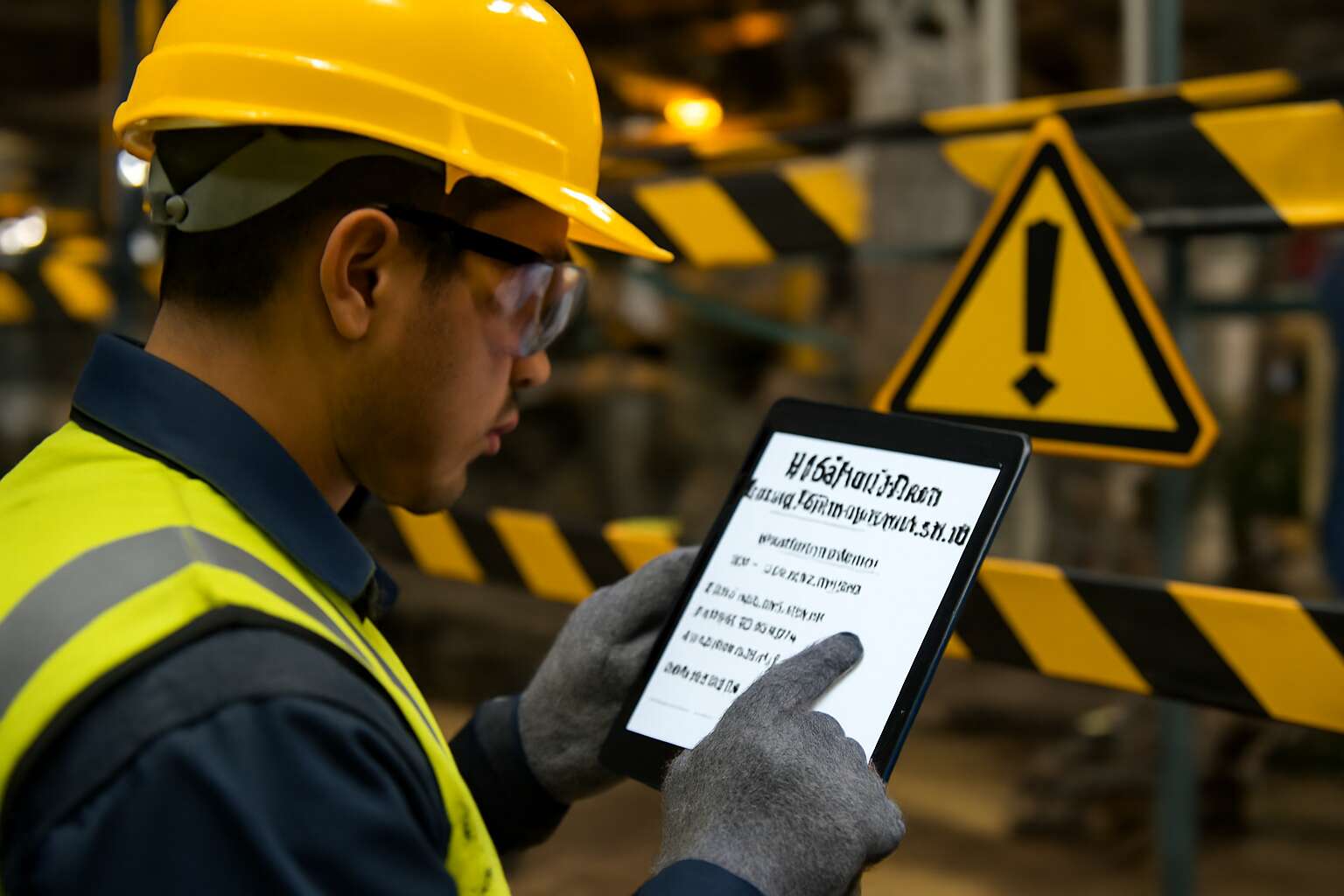
Understanding Near Misses in Personal Protective Equipment
Definitions and scope of PPE-related near misses
Across South Africa’s bustling workplaces, a quiet pulse runs beneath the clang—the ppe near miss, a warning rather than a wound. Understanding near misses in PPE definitions reveals a spectrum: not every close call becomes harm, but every near miss keeps time with risk and consequence.
In these moments, several threads pull together to shape PPE near miss scenarios:
- Misfitting, torn, or degraded PPE that fails under stress
- Delays in donning or removal when danger looms
- Gaps in coverage due to shortcut choices or incorrect equipment for a task
Across industries—from mining shafts to hospital wards—the scope of PPE-related near misses threads a tapestry of protection under pressure. They are not accidents but quiet teachers, urging a culture that treats safety as a living practice rather than a rigid rule.
Causes and risk factors for PPE-related near misses
In safety folklore, a ppe near miss is a whisper before the quake—a sign to notice before harm arrives. Across South Africa’s factories and mines, studies hint that for every reported accident, as many as 800 near misses slip past unrecorded, waiting to shape tomorrow’s protocols.
Understanding near misses in PPE reveals how risk threads weave together. Causes include gear that is misfitting, damaged, or mismatched to the task; delays in donning or doffing under pressure; and gaps in coverage born from shortcuts. Each factor nudges outcomes toward unsafe choices or overlooked exposure.
These dynamics yield a ppe near miss in the gear-risk balance.
- Fatigue, extended shifts, and cognitive load that dull situational awareness
- Inadequate training or insufficient refreshers on proper PPE use
- Supply constraints or inconsistent maintenance that let equipment degrade
- Environmentally harsh conditions that accelerate wear or misfit
Investigating PPE-related near misses: procedures and methods
Investigating a ppe near miss is like tracing a lighthouse beam through fog—the clues light the path to what almost went wrong. In South Africa’s mines and factories, safety teams map not just events, but how decisions, gear wear, and training gaps converged to invite exposure. The aim is learning, not blame, turning a close call into tomorrow’s wiser protocols!
Procedures and methods in these investigations stitch together data and story, seeking the truth across human and gear factors.
- Root-cause analysis and barrier assessment
- Timeline reconstruction and data capture
- Cross-functional review of training, maintenance, and supply
By centering systems and culture, these reviews become a compass for safer workplaces—from Gauteng workshops to South Africa’s sprawling mining belts.
Preventing PPE-related near misses: practical strategies
A proper close call reveals a safety fault line. In South Africa’s busy sites, one near miss with PPE becomes data—one torn glove, one misfit strap, one overlooked detail. A ppe near miss is a signal, not a verdict; it points toward what still works and what needs attention.
Understanding near misses means reading the story behind the gear. It’s about context, human factors, and how safety culture shapes responses. Patterns emerge when workers share context, conditions, and moments of hesitation—clarity from ambiguity, not blame from failure.
- Context: time, task, location, and environmental pressure
- PPE condition and compatibility at the moment of exposure
- Signals from training, supervision, and maintenance conversations
These threads help safety teams map how a close call travels—from floor to policy—strengthening PPE use across Gauteng workshops and SA’s mining belts. The work honors people and inspires safer practice.

0 Comments