

Importance of PPE in Construction
Key Risks on Construction Sites
On a South African construction site, the roar of hydraulics is tempered by one truth: PPE is the first line of defense. Studies show PPE reduces injury risk by up to 60%, and in my experience a helmet becomes an unfailing ally. In the realm of ppe in construction, it is more than gear—it is a vow to safety!
Consider these essentials:
- Hard hats that crown the day with protection
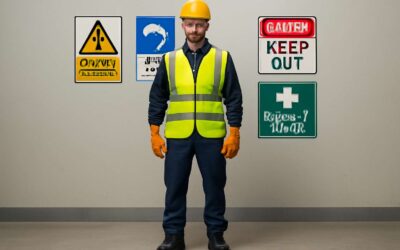
- High-visibility clothing for clear sightlines
- Sturdy safety boots with steel toes
- Eye and face protection against flying debris
- Hearing protection for the chorus of machines
From the slips and sparks, key risks on construction sites loom: falls from height, struck-by hazards, electrical shocks, and noise overload. This is where ppe in construction shields workers, dampening the sting of sharp edges and sudden jolts, keeping crews present, alert, and able to finish the day!
Legal and Regulatory Requirements
Safety on South African building sites is both ethos and code. ppe in construction is not just gear; it’s a daily vow that keeps crews intact when fatigue sets in. The law codifies this commitment through the OHS Act and Construction Regulations, mandating that employers provide, maintain, and train workers in proper PPE usage.
- OHS Act obligations: employers must provide appropriate PPE and ensure its use.
- Construction Regulations 2014 require PPE maintenance, suitability, and training records.
- Regular site inspections and documented enforcement mechanisms protect workers and projects.
When compliance is visible, PPE becomes a living standard rather than a checkbox, elevating safety from policy to practiced culture.
Cost of Non-Compliance and ROI
On South Africa’s busy building sites, PPE is more than gear—it’s a daily vow. When fatigue gnaws and focus flags, the sturdy boot, eye shield, and glove stand as sentinels. In short, ppe in construction is a living safeguard, turning risk into routine care rather than tragedy.
The price of neglect is steep: delays, medical bills, and penalties can crown a project with costly storms.
- Direct financial penalties and stoppages
- Indirect costs from injuries and rework
- Higher insurance and rehabilitation expenses
Yet the payoff speaks in concrete: fewer injuries, steadier cadence, and renewed morale. The ppe in construction reduces the unknowns, delivering a measurable ROI that keeps projects humming toward completion.
Types of PPE Used in Construction
Head and Eye Protection
On South Africa’s bustling construction sites, head and eye protection turns close calls into safety stories—about 1 in 5 injuries involve the head or eyes, a stark reminder of why PPE in construction matters.
The toolkit is practical, not theatrical. Key gear includes:
- Hard hats that absorb impact and resist penetration
- Goggles for splash and dust
- Safety spectacles with side shields
- Face shields for grinding, cutting, or welding
- Visors for extra coverage during long shifts
Choose snug fits and easy maintenance; when selecting ppe in construction, ensure a comfortable seal, clear vision, and compatibility with other gear.
Respiratory Gear
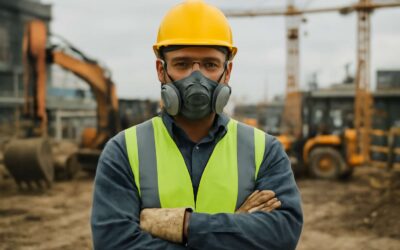
Breathable air on a South African site isn’t negotiable. Respiratory gear blocks dust, fumes, and mist that linger where concrete and metal meet. “Protect your lungs, protect your future”—that line is safety truth. For ppe in construction, the right respiratory protection matters as much as the hard hat.
Types of respiratory PPE used on site include:
- N95 and disposable respirators for dust and light aerosols
- Half-face elastomeric respirators with replaceable filters for silica and solvents
- Full-face elastomeric or disposable full-face respirators for splash and chemical exposure
- Powered air-purifying respirators (PAPRs) for long shifts and high contamination
Fit, seal, and compatibility with other PPE are critical considerations. Comfort, stability, and maintenance define performance.
Hearing Protection
On bustling construction sites, decibels can outpace caution—yet protection for your ears isn’t optional, it’s essential. In the world of ppe in construction, hearing protection is the quiet workhorse that keeps conversations sane and fatigue at bay. Loud banging, grinding, and hammering demand respect.
Here’s the spectrum of hearing protection you’ll actually see on SA sites:
- Foam or silicone earplugs for quick, budget-friendly protection
- Over-ear earmuffs for fluctuating noise levels and comfort
- Electronic earmuffs with built-in mic for clear on-site communication
- Communication headsets that pair attenuation with radios or phones
Fit, seal, and care are non-negotiable. Choose equipment with a snug seal, comfortable headband, and simple cleaning routines; compatibility with hard hats and eye protection matters more than promised warranty. After all, comfortable ears are loyal workers.
Hand and Foot Protection
Nearly 40% of on-site injuries involve hands, a sobering reality that makes hand protection feel non-negotiable. In the world of ppe in construction, hand and foot protection is the quiet, steadfast guardian of every task. Here are go-to hand protection options!
- Nitrile- or latex-coated gloves for chemical resistance
- Kevlar or cut-resistant gloves for sharp edges
- Leather or synthetic work gloves for durability and grip
For feet, opt for safety boots with a steel toe and a puncture-resistant midsole, paired with slip-resistant tread. Look for electrical hazard-rated soles in environments with live equipment. Fit, comfort, and care matter: inspect daily, I tell my teams, wipe clean, and replace worn palms or cuffs promptly.
Choosing and Fitting PPE
Sourcing and Standards Compliance
Across the chorus of a South African build, one decision echoes through safety and schedule: choosing the right PPE. Studies show ppe in construction can reduce injuries by up to 40%, turning hazards into manageable margins. Fitment is as much craft as precaution: masks that breathe, helmets that sit true, gloves that move with you. We witness fit in daylight, the language of the gear settling with working hands.
Finding reliable sources means vetting suppliers for durability, correct sizing, and clear handling instructions. Standards compliance is a compass: seek PPE backed by SANS, SA Standards alignment, and where relevant CE marks. We keep a simple checklist:
- certified materials
- traceable batch numbers
- clear labelling and care instructions
Remember, the best gear fails without proper training. We write the future of ppe in construction with care, ensuring it fits the person, the task, and the day’s light.
Sizing and Fit Testing
On a windy South African site, the right PPE is more than gear—it’s a guarantee. Proper ppe in construction can cut injuries by as much as 40%, and fit makes that promise real. Sizing becomes a daily conversation between worker and helmet, mask, or glove, not a one-size-fits-all impulse.
- Accurate sizing for helmets, masks and gloves
- Adjustable features that accommodate hair, ears and breathing space
- Clear, durable labeling and care guidance
Fit testing becomes a daily chorus on site—a moment when a worker and their PPE find their rhythm together. The better the fit, the longer a shift flows with less friction and more focus. Training and reputable suppliers help keep that rhythm steady.
Comfort and Wearability
On a windy South African site, a helmet that sits right is more than comfort—it’s concentration you can bank on! PPE in construction isn’t just gear; it’s a daily guarantee that a long shift stays steady. When the fit feels almost invisible, the mind stays on the task rather than on discomfort.
- Adjustability and comfort features that respect hair, ears, and breathing space
- Breathable fabrics, flexible headbands and soft padding for all-day wear
- Clear labeling and simple care guidance that remove uncertainty
See the wearer’s body as the final measure—shaped by strength, heat, and speed. In South Africa, wearability is as much about culture as it is about material, and that makes all the difference when the script of a workday is long.
Maintenance and Inspection
On windy South African sites, PPE in construction is more than fabric; it’s a quiet vow to finish a long shift with confidence! I’ve learned that choosing and fitting gear becomes a tale of fit, feel, and faith in the guard that stands between worker and consequence.
Maintenance and inspection breathe life into that guard. In ppe in construction, care rests on attention to material aging, storage, and labeling. Consider these touchpoints:
- Visible wear, deformation, or glare of damage on components
- Integrity of fastenings, straps and seals
- Labels, expiry dates, and care guidance from manufacturers
Owners of the site, inspectors, and artisans alike rely on records—the quiet archive that tells the story of each piece. I’ve watched how a tidy ledger keeps the minds steady. When the ledger is steady, the crew stays focused on the task, and the protection feels almost invisible yet steadfast.
Retention and Replacement Policies
On windy South African sites, PPE isn’t mere fabric—it’s a whispered vow to finish the shift with steadiness. A foreman once said, “The gear you wear speaks before you do.” In ppe in construction, retention and renewal shape trust as surely as a steel rib.
Well-crafted policies—Choosing and Fitting PPE Retention and Replacement Policies—keep that guard honest: they define lifespans, mandate expiry checks, and tie each piece to a wearer and a task. When a label tells the truth and a record stays current, the crew moves with confidence rather than hesitation.
- Clear expiry dates and wear thresholds that trigger replacement
- Defined ownership, transfer, and return procedures on every site
- Accessible, tamper-evident records linking each piece to wearer and task
With this rhythm, PPE becomes a quiet backbone of safety across SA sites.
Implementation and Best Practices
PPE Programs and Training
On South Africa’s bustling construction sites, a well-crafted PPE program turns risk into routine. A seasoned safety officer reminds me, “PPE is the last line of defense and the first habit of safety.” When we embrace ppe in construction, the day steadies—noise softens, focus sharpens, momentum returns.
Implementation thrives where leadership models care, fit-tested gear, and ongoing training converge. We align with the OHS Act and SABS-marked PPE, keep crisp records of fit tests and inspections, and weave coaching into daily routines. With steady supervision, policy becomes instinct, and workers move with confidence.
Best practices foster a culture of care. Here are essentials:
- Regular toolbox talks, hands-on demonstrations, and peer coaching
- Annual refreshers and documented proficiency checks
- Audits of PPE sources and incident reviews to drive improvement
Donning and Doffing Procedures
On South Africa’s bustling sites, a single well-fitted habit can calm the roar of risk. The donning and doffing rhythm turns hazard into routine, and implementation thrives where leaders model care and training stays bright. The discipline of ppe in construction anchors daily work in sound judgment, not panic; a seasoned safety voice reminds us: PPE is the last line of defense and the first habit of safety. When leadership prioritizes this cadence, the day moves with steadier tempo.
To weave this into the shift, consider these essentials:
- Defined zones and signage to separate clean from contaminated gear
- Supervised practice and peer coaching to reinforce correct habits
- Documentation and audits to fuel continuous improvement
Implementation then becomes conversation, not command, and the team moves with confidence. In this way, ppe in construction becomes everyday instinct, a culture where care, accountability, and quiet competence sustain progress on every site.
PPE and Job Hazard Analysis
On South Africa’s busy sites, a disciplined PPE culture cuts injuries by a notable margin, turning hazard into routine before the whistle blows. I’ve seen the ethos of ppe in construction not be a box-ticking ritual; it’s the daily rhythm leaders model and crews own, from foreman briefings to morning coffee chatter. A quiet competence replaces panic, and the day moves with steadier tempo.
- Integrate Job Hazard Analysis with PPE choices in daily briefings
- Prioritize supervised practice and peer coaching to reinforce correct habits
- Document findings and audits to fuel continuous improvement
Implementation becomes conversation, not command, and the team moves with confidence, turning PPE into everyday instinct and weaving care, accountability, and quiet competence into every site visit.
Storage, Cleaning, and Longevity
Implementation is the quiet handshake where policy meets practice. On a well-run site, PPE isn’t a shelf ornament—it’s a daily ritual shaped by clear ownership and real-world briefings. In ppe in construction, the aim is not box-ticking theater but practiced competence, where care and accountability move from foreman to fitter with every on-site interaction, from a coffee break to a pre-shift huddle. When teams see maintenance as part of the workflow, the pace stays steady and the risk profile lowers without fanfare!
Storage, cleaning, and longevity are not chores but safeguards. Store PPE in dry, ventilated cabinets away from direct sun; keep gear segregated by type to prevent cross-contamination. Clean with mild soap, rinse, and dry completely; log wear and schedule longevity reviews.
- Store dry and ventilated cabinets; keep equipment off the floor.
- Label zones by type and expiry for quick retrieval.
- Schedule regular longevity reviews to anticipate replacement needs.
Employee Buy-In and Culture
On South African sites, ppe in construction is not a shelf ornament; it is a daily rite, a rhythm learned in the first coffee and kept through the last shift. A quiet handshake happens where policy meets practice as foremen and fitters move with shared confidence. “Safety is a habit you wear!” a supervisor says, and the line lands with uncommon clarity: competence is practiced, not preached.
- Ownership travels up and down the line, from crew boss to apprentice
- Every briefing makes gear a living ally, not a prop
- Stories of near-misses replace fear with familiarity
With this culture, PPE becomes part of the fabric of work, lifting morale and tempo alike on the scaffold of progress.

0 Comments