
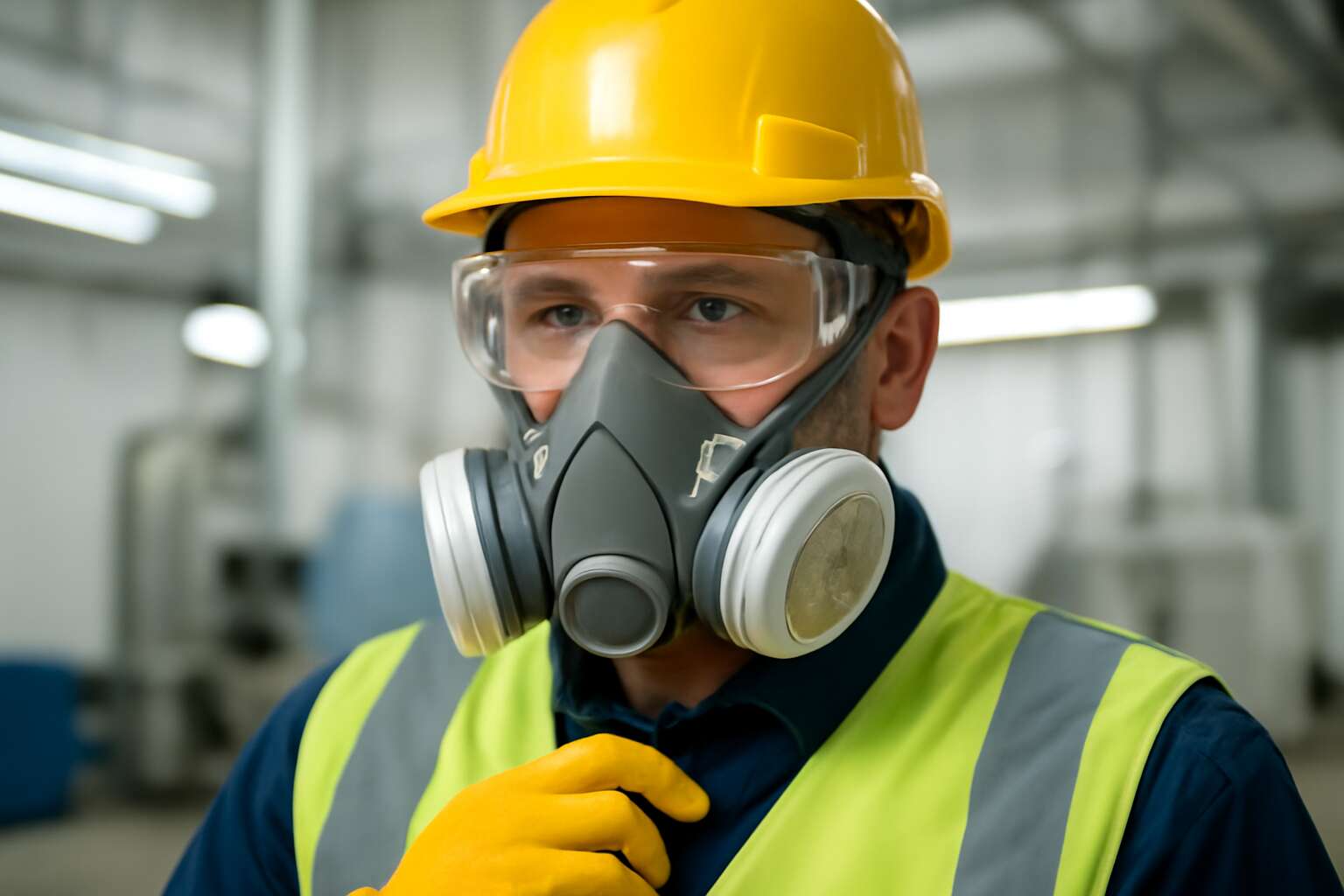
Personal Protective Equipment meaning and overview
What PPE is and how it functions
In South Africa’s bustling workplaces, PPE is more than gear—it’s a lifeline! Understanding ppe and rpe meaning helps teams choose wisely, and the concept begins with PPE meaning Personal Protective Equipment: a shield between worker and hazard. It functions by forming barriers—physical, chemical, or respiratory—reducing exposure so daily tasks stay safe and sustainable.
A core kit forms the quick shield of safety:
- Hard hats
- Eye and face protection
- Gloves
- Hearing protection
- Respiratory protection
- High-visibility clothing
- Safety footwear
RPE stands for Respiratory Protective Equipment, a critical layer when airborne hazards loom. Together with PPE, it creates a layered defense that protects breath, skin, and sight from the hazards workers face daily.
Key PPE categories and examples
PPE and rpe meaning come alive on South Africa’s work sites. PPE, or Personal Protective Equipment, is the shield between worker and hazard. It slows or stops threats—from falls to chemicals—so daily tasks stay safer. RPE, Respiratory Protective Equipment, adds a vital layer when airborne hazards loom.
- Head protection mitigates impact and sun glare
- Eye and face barriers guard against splashes
- Gloves fit tasks from grinding to chemical handling
- Respiratory protection filters dust and fumes
Choosing with care—comfort, fit, and local standards—embodies the ppe and rpe meaning in everyday work, keeping communities safer and livelihoods stable.
Why PPE matters in the workplace
Safety gear isn’t garnish; it’s the last line of defense between you and the unseen. In South Africa’s bustling work sites, the phrase ppe and rpe meaning sits at the core of risk management, a quiet pact that turns hazard into habit. PPE shapes daily choices, from the gate to the dusk shift, wrapping workers in a woven shield of fabric, glass, and steel that speaks without a word.
Beyond the obvious, PPE is a lived fluency—comfort, fit, and function forged to local standards. When gear conforms to body and task, safety becomes a rhythm rather than a restraint. It is the quiet discipline that keeps communities marching forward, row by row, site by site.
- Protects the lungs from dust and fumes
- Reduces impact and splash risks
- Supports reliable performance under pressure
Common misconceptions about PPE
PPE is not garnish; it’s the everyday armor that keeps workers thriving. A safety veteran once quipped, ‘PPE is a shield you tailor to your task.’ In South Africa’s bustling sites, PPE meaning gathers the crew at the threshold of care, turning risk into routine.
PPE is wider than fabric—it’s a protection system that harmonises fit, function, and local standards. When gear moves with the body, safety becomes a smooth rhythm rather than a clamp, guiding daily choices from gate to dusk.
Common misconceptions include:
- PPE is a cure-all for every hazard.
- It’s only needed on heavy construction or mining sites.
- If you can’t see a hazard, PPE isn’t necessary.
Exploring ppe and rpe meaning reveals how protection, comfort, and task-fit cohere into daily practice.
Respiratory protection equipment meaning and roles
Definition of RPE and what it protects against
Breathing is non-negotiable, especially in South Africa’s mines, factories, and construction sites where airborne hazards lurk. In SA, respiratory hazards are among the leading causes of workplace ill health, making ppe and rpe meaning more than jargon. Respiratory protection equipment (RPE) consists of devices that filter, purify, or supply air to the wearer, guarding against dust, fumes, and vapours.
RPE’s role is practical protection—more science than superstition.
- Disposable respirators (N95/FFP2)
- Elastomeric half-face respirators
- Full-face respirators
- Powered air-purifying respirators (PAPR)
RPE shields lungs from dust, aerosols, fumes, gases, and vapours; the right choice hinges on the hazard and exposure level.
How RPE differs from general PPE
A recent SA safety survey shows respiratory hazards rank among the top five workplace risks. Breathing is non-negotiable on mines, factories, and construction sites—yet the lungs bear the brunt when dust or fumes drift in. That’s where RPE steps in, quietly doing the heavy lifting.
Respiratory protection equipment (RPE) means devices that filter, purify, or supply air to the wearer, guarding against dust, fumes, and vapours. When we discuss ppe and rpe meaning, RPE narrows the shield to the lungs, the frontline of exposure.
RPE differs from general PPE—it’s specialized for airborne hazards rather than surface protection. The right choice depends on hazard and exposure level.
- Hazard type
- Concentration and duration
- Fit, seal, and maintenance
- Compatibility with other PPE
From disposable respirators to PAPR, RPE remains the lungs’ best ally.
Common types of RPE
“Breathing clean air on site isn’t optional—it’s essential!” a SA safety leader says. The ppe and rpe meaning shapes every purchase, every fit test, and every safe shift. RPE protects the lungs, the frontline in exposure.
Respiratory protection equipment means devices that filter, purify, or supply air to the wearer, guarding against dust, fumes, and vapours. RPE targets airborne hazards, not surface protection, and the right choice hinges on hazard type, concentration, exposure duration, and a reliable seal.
Common types include:
- Disposable respirators (N95/P2)
- Elastomeric half-face respirators
- Elastomeric full-face respirators
- Powered air-purifying respirators (PAPR)
- Supplied-air respirators (SAR)
In SA workplaces, fit, maintenance, and compatibility with other PPE determine real protection.
Choosing the right RPE for tasks
On South Africa’s bustling work floors, air quality can turn a routine day into a test of endurance. Breathing protection is not optional gear—it’s a daily contract with safety. The right RPE becomes the difference between a productive shift and a risky one!
ppe and rpe meaning goes beyond a label: these devices filter, purify, or deliver air to the wearer, guarding against airborne hazards. In SA workplaces, the right choice hinges on hazard type, concentration, exposure duration, and maintaining a reliable seal.
Choosing the right RPE for tasks means weighing comfort, fit, and duty cycle. Consider the essentials below:
- Hazard type and concentration
- Exposure duration and activity during work
- Seal quality and facial fit
- Maintenance, inspection, and compatibility with other PPE
Standards, compliance, and testing for PPE and RPE
Global and regional standards (OSHA, EN standards, etc.)
On the factory floor, protection wears a badge forged by testing. “Standards are the silence before the storm,” a safety officer once told me, and that truth lands hard. PPE and RPE meaning rise when certification meets breath.
Global and regional standards govern what passes for protection. From OSHA and ISO to EN guidelines, testing labs press each item to perform under real-world strain. The phrase ppe and rpe meaning surfaces when certification meets breath; compliance is more shield than formality.
Across jurisdictions, conformity follows a familiar map:
- OSHA guidance in the United States ensures safety
- EN standards in Europe define fit and filtration
- SABS marks bring local trust in South Africa
The path to protection rests in tested gear, maintained alignment, and the quiet confidence of those who sweat under certified standards.
Fit testing and seal checks
“Standards are the silence before the storm,” a safety officer once told me. On the factory floor, that quiet truth lands hard, and that is where ppe and rpe meaning meets breath and certification.
Global and regional standards—OSHA, EN, ISO, SABS—shape what protection really is for South Africa’s facilities. Testing labs push gear through real-world strain, confirming fit, filtration, and durability long after the factory bell rings.
Across jurisdictions, conformity follows a familiar map:
- Fit testing validates the seal of a respirator on the wearer in realistic conditions.
- Seal checks ensure the facepiece maintains a proper seal during movement and talking.
- Ongoing inspections and calibration sustain protection across shifts and equipment lifecycles.
These standards aren’t abstract; on the ground they mean a quiet confidence for workers who trust gear that’s endured testing.
Certification and labeling to look for
Quality is invisible until it saves a life. On South Africa’s factory floors, standards shape the breath workers trust and the gear that carries them through the shift. PPE and RPE certification aren’t abstract badges; they are a promise backed by tests, seals, and real-world scrutiny.
To grasp ‘ppe and rpe meaning,’ read the labels with care. Conformity marks, production dates, and the certifying body’s emblem tell you where the protection came from and how it was tested. Across SA and beyond, labeling threads a single, clear narrative: you deserve proven performance, not a perhaps.
- Standard marks (SABS, EN, ISO) that confirm compliance
- Manufacturer, model, and batch information for traceability
- Date of manufacture and essential test reports
In a noisy plant, these quiet details speak volumes.
Practical application and best practices for PPE and RPE
PPE selection guide by hazard and task
In South Africa’s bustling workshops, a single decision—what you wear on your face or hands—defines the day. The ppe and rpe meaning isn’t academic fluff; it’s practical language that bridges risk and protection, turning guesswork into measured safety for every shift.
Practical application is about aligning hazard and task with the right barrier, a daily dialogue between workers and gear. Dust, solvents, heat, and noise shape protection profiles. The aim is gear that feels natural, even when the day tightens, so safety stays a steady companion, not a burden.
- Dust and particulates
- Chemical vapors and solvents
- Heat, cold, and physical abrasion
- Biological hazards
When PPE is selected with this lens, the ppe and rpe meaning shifts from a label to a live safety plan that respects task complexity and regional standards.
Maintenance, storage, and lifecycle of PPE
‘PPE isn’t extra—it’s the first line of defense,’ a seasoned fitter once reminded me, and that truth travels through every South African workshop. The ppe and rpe meaning shifts when viewed through maintenance and lifecycle. Rather than a one-off purchase, PPE becomes a living part of safety, aging with tasks, exposure, and storage conditions. When gear is treated this way, workers experience steadier days and fewer surprises as shifts unfold.
- Routine visual checks and thoughtful replacement planning
- Respectful cleaning and proper storage to preserve integrity
- Clear labeling and documentation to trace lifecycles
Ultimately, the lifecycle of PPE extends from acquisition to disposal, aligning with South Africa’s realities and local standards while honouring the ppe and rpe meaning as a guiding framework. It becomes a living protocol that weaves maintenance, storage, and gear endorsement into the rhythm of a demanding workday.
RPE fit and training programs
In South Africa’s busiest workshops, a single ill-fitting respirator can ripple through a shift. “PPE isn’t extra—it’s the first line of defense,” a seasoned fitter reminded me, and that ppe and rpe meaning anchors every moment in the workshop’s pulse. Safety becomes a shared story, not a checkbox.
Practical application blooms when training respects task realities, not jargon. RPE fit programs blend hands-on checks with real-world scenarios, helping wearers sense the seal, breathing ease, and comfort thresholds. When knowledge meets daily practice, confidence follows naturally.
- Hands-on fit exploration guided by experienced instructors
- Breath-aware assessments focusing on seal and comfort
- Regular refresher concepts to maintain recall
- Clear, auditable records that trace outcomes
In the SA context, PPE and RPE training becomes a living protocol, evolving with tasks, exposure realities, and storage conditions.
Cost considerations and budgeting for PPE programs
In South Africa’s busiest workshops, one ill-fitting respirator can ripple through a shift, turning efficiency into downtime and morale into mutiny. Understanding ppe and rpe meaning isn’t fluff—it’s the compass for smart spend, performance, and safety on the shop floor. When budgets are tight, the cheap option often costs more in the long run: frequent replacements, mis-seals, and avoidable downtime.
Cost considerations for PPE programs go beyond upfront price tags. Think lifecycle costs, storage, maintenance, spare parts, and regular fit checks, all jostled by import duties and supplier reliability. Standardisation by task reduces waste; forecasting demand and balancing quality with price keeps the lights on without surprises.
0 Comments