
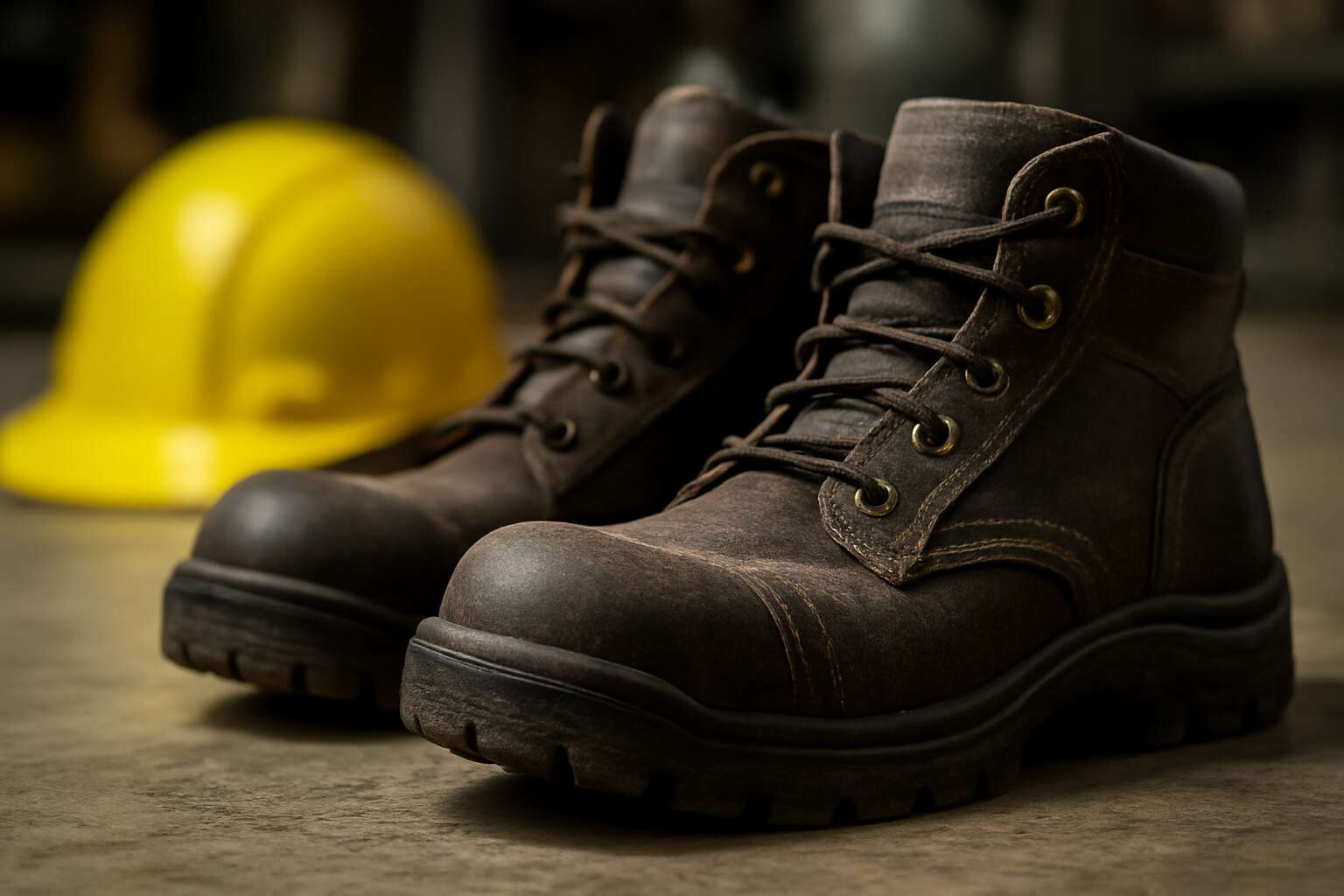
PPE Safety Footwear Essentials
Understanding safety standards and certifications
Foot protection is a non-negotiable line of defence on any site—one misstep can derail a career. The right ppe boots shield against nails, drops, and slick floors. Understanding safety standards helps buyers pick boots that perform when it matters, turning risk into resilience.
Key markers include EN 20345 and the CE mark; in South Africa, SABS certifications validate local compliance and supplier credibility. When evaluating ppe boots, look for clear labeling of protection features.
- Toe protection: steel, alloy, or composite
- Outsole: slip resistance on wet/oily surfaces
- Electrical hazard or puncture labeling
- Impact and compression resistance indicators
Ultimately, the label tells a broader story about safety culture on a site—protection that respects people and the demands of the work.
Choosing toe protection and outsole types
Foot injuries account for up to a quarter of serious on-site incidents in South Africa, and the right ppe boots can turn a stumble into a salvageable day. They are more than protective shells; they shape rhythm, balance, and endurance through long shifts. In choosing toe protection and outsole types, envision the boot as a trusted partner that negotiates with risk rather than ignores it.
- Material balance between protection and weight
- Outsole grip on wet or oily floors
- Clear hazard labels for electrical, puncture, or impact resistance
From face value to inner fit, the choice hinges on context and comfort. Consider these facets as you assess footwear:
The label tells a story of safety culture, respect for workers, and the demands of the job.
Materials and design considerations for durability
Foot injuries account for up to a quarter of serious on-site incidents in South Africa, but a pair of carefully chosen ppe boots can turn a stumble into a salvageable day. When the dust settles on a shift, footwear becomes a quiet partner—robust, flexible, and ready to shoulder the day’s demands.
Durability starts at the material level. A balance of protection and weight is achieved through full-grain leather, synthetic uppers, and breathable linings. The midsole and outsole must resist oil and water, while the toe cap and puncture plate provide protection where it counts.
- Material integrity: tough uppers paired with flexible midsoles
- Sole technology: slip resistance, oil resistance, and long-wearing tread
- Comfort features: moisture-wicking linings and removable insoles
- Structural durability: reinforced stitching, secure toe caps, and puncture protection
These choices aren’t merely specs; they shape rhythm, balance, and endurance on long shifts, turning a routine step into confident forward momentum.
Sizing, comfort, and fit optimization
“Fit isn’t a luxury; it’s safety in motion.” A well-sized pair of ppe boots keeps blisters at bay and sharpens focus from first step to last. In demanding shifts across SA sites, comfort translates to steadier footing and fewer distractions on the line.
- True-to-size with half sizes available
- Width options for wide or narrow feet
- Removable insoles and adjustable arch support
Before you commit, try them on with your typical socks and lace fully. Check heel lock, toe space, and midfoot hold — these details matter when the floor is slick or the day wears on. With the right ppe boots, comfort and confidence stay in step all shift long.
Key Features and Materials
Upper materials and durability for rugged environments
Across South Africa’s demanding worksites, the right gear is a compass for the day’s voyage. The right ppe boots cradle your stride, turn risk into rhythm, and invite you to face the horizon with confidence.
- Full-grain leather for longevity
- Abrasion-resistant synthetic overlays
- Weatherproof coatings that shed rain and mud
- Breathable linings that wick moisture
Upper materials are the true guardians in rough environments; they must resist abrasion, repulse moisture, and breathe under pressure.
Durability for rugged environments emerges in every seam and stitch—sealed seams, reinforced heel counters, and secure welt or cement construction that keeps pace with long shifts, salt spray, and dusty gusts.
These elements weave a narrative of resilience, inviting professionals to move with assurance through any terrain.
Midsole support and impact protection
Midsole support is the hinge of ppe boots, where every landing finds balance and every stride finds rhythm. A compression-molded EVA or polyurethane core cushions landings, dispersing impact through the arch and forefoot so fatigue fades with the day.
- Compression-molded EVA or PU core for consistent cushioning
- Rigid yet responsive shanks provide torsional stability
- Energy-return foams and gel pods dampen shocks on uneven terrain
These elements work stealthily, pairing with a protective outsole and rugged upper to cradle the foot through sunbaked dust and factory clangs alike. The midsole’s design is a quiet champion for long shifts—stable, supportive, and ready to meet the horizon.
Such midsole architecture also tolerates temperature swings and dusty volumes found on coastal refineries, farms, and mines, maintaining consistent support from dawn to dusk. When fit aligns with function, the stride becomes a measured drumbeat, never a stumble.
Sole design for traction and slip resistance
Key Features and Materials: Sole design for traction and slip resistance in ppe boots blends grip with grace. The outsole anchors each step with a chemistry-rich rubber compound that resists oil and chemicals while maintaining pliancy in cool dawn air and heat of day. In South Africa workplaces—from mining pits to refineries—reliable traction is non-negotiable, and the right tread pattern makes the difference between a confident stride and a misstep.
Careful groove geometry channels water and dust, while siping adds bite on wet surfaces. The sole can incorporate:
- Diamond- or zoned-tread for multidirectional grip
- Oil- and abrasion-resistant rubber for longevity
- Flex zones to maintain natural foot movement
With ppe boots, traction is both science and storytelling—keeping you steady where the horizon meets the factory floor.
Waterproofing and insulation options for varied climates
Foot security is a daily vow—and the weather tests that faith. A foreman once told me, ‘Dry feet, clear head,’ and the sentiment sticks. PPE boots with waterproof membranes and thoughtful insulation stand guard against Cape drizzle and chilly dawns, marrying comfort with endurance!
- Sealed seams and rugged outsoles for damp environments
- Breathable waterproof membranes that wick moisture
- Thermal liners and insulation for varied climates
- Flexible foams and midsole inserts that trap warmth
These choices matter here in South Africa, where a single pair of ppe boots can steady the path between hazard and horizon. From coastal workshops to inland yards, the right combination makes the difference.
Industry Applications and Use Cases
Construction and industrial settings safety footwear requirements
On South Africa’s construction and industrial job sites, a single misstep can turn a long shift into a nightmare. Foot injuries dominate many serious incidents, making the right ppe boots feel less like gear and more like a lifeline—a quiet guardian that stands between you and the next hazard!
Across construction, mining, manufacturing, and logistics, safety footwear must perform in harsh conditions: uneven ground, wet floors, dusty atmospheres, and stifling heat. The best safety footwear blends comfort with impact resistance and reliable traction, so workers stay productive without sacrificing safety.
- Construction sites with heavy equipment and uneven terrain
- Industrial facilities with wet or oily floors
- Mining and logistics environments with rugged surfaces
On every shift, boots quietly confirm the promise of safety, one sure step after another.
Healthcare and laboratory environments safety footwear needs
Healthcare and laboratory environments demand footwear that can survive constant sanitization and sudden spills. In SA hospitals, clinics, and research labs, ppe boots must resist chemicals, wipe clean easily, and keep you comfortable through back-to-back shifts—because fatigue is the enemy of accuracy and safety.
From operating theatres to analytical benches, safety footwear should deliver reliable anti-slip traction on wet floors and sturdy toe protection against dropped instruments. The right footwear supports long hours, reduces fatigue, and upholds hygiene standards in high-stakes settings.
- Easy decontamination and wipe-clean uppers
- Chemical and disinfectant resistance for labs
- Low-lint or non-shedding features for sterile environments
Agriculture and outdoor work protective footwear considerations
In South Africa’s fields, stockyards, and rugged harvesting lanes, a sturdy pair of ppe boots does more than cover feet—it anchors safety through heat, thorn, and mud. Fatigue gnaws at focus, and the right boots keep you upright as a long day wears on—what a difference a solid step can make!
- Grip on uneven soil and wet grass during early-morning irrigation
- Resistance to farm chemicals and plant resins encountered in pruning and spraying
- Durability against thorny brush, gravel paths, and scattered tools
Look for breathable uppers, reliable ankle support, and surfaces that wipe clean with minimal effort. When teams trek orchards, vineyards, and rural sites, these ppe boots become a quiet partner in safety and endurance.
Wet, chemical, or hazardous material handling safety footwear guidelines
In South Africa’s high-hazard workplaces, foot injuries from wet floors, chemical splashes, and sharp debris are a constant threat. Studies show proper PPE boots can dramatically cut exposure to these hazards, keeping teams on the field longer and safer. From refineries and mining to citrus packhouses and meat processing lines, the right ppe boots aren’t mere footwear—they’re a shield that rides with every step, turning fatigue into steadiness as a shift wears on.
Key use-case scenarios include:
- Wet and muddy environments where slip resistance is essential
- Chemical handling, splash zones, and plant resin exposure
- Exposure to sharp tools and thorny debris with puncture protection requirements
- Electrical-hazard or hot-surface areas requiring compliant outsole and insulation
In practice, select ppe boots with chemical resistance suited to the fluids handled, non-slip outsoles for wet floors, and reinforced midsoles to deter punctures. Easy-clean uppers and secure ankle support keep you upright when the surface never seems to settle—especially in South Africa’s farms, factories, and field sites where every step matters.
Care, Maintenance, and Compliance
Cleaning and drying protocols for longevity
Across SA workplaces, up to 40% of ppe boots are replaced within a year due to neglect. Care and compliance aren’t luxuries—they’re safety guarantees for workers and teams in harsh conditions.
Cleaning and maintenance protect material integrity and fit. I’ve seen neglect shorten boot life in the field. Use manufacturer-approved cleaners, avoid harsh solvents, and gently remove dirt so the boot structure stays solid and reliable over time.
Drying and storage matter too. Air-dry away from direct heat or sun, then store in a ventilated, cool place. Proper handling reduces odour and material fatigue, keeping ppe boots ready for duty.
Compliance threads through every step: following care guidelines supports safety standards, supports warranties, and keeps ppe boots aligned with South Africa’s workplace regulations.
Inspecting and replacing worn components
In SA workplaces, up to 40% of ppe boots are replaced within a year due to neglect; that’s not just waste—it’s risk untold. “Care is a quiet shield,” a veteran supervisor once claimed, and the truth rings through the factory floor. Care, maintenance, and compliance fuse protection with performance, keeping boots faithful in harsh conditions and long shifts.
- Toe caps and midsoles with cracks or separation
- Outsole tread worn thin or delaminating
- Upper material fatigue or stitching wear
- Eyelets, laces, and hardware showing corrosion or damage
- Insoles and footbeds losing support or developing persistent odor
Compliance threads through every decision: manufacturer guidance, warranty terms, and South Africa’s workplace standards converge when worn components are acknowledged and addressed. In practice, clear records and timely replacements safeguard safety commitments and keep them ready for duty across varied environments.
Storage, maintenance schedules, and regulatory compliance
Roughly 40% of ppe boots are replaced within a year when care falters—it’s not waste, it’s risk in motion. A quiet shield becomes a negligent whisper on the factory floor; I tend to treat storage and schedules as the backbone of reliability.
Storage and maintenance are not chores but rituals of protection. In South Africa, compliance means keeping records that survive audits and approvals from the manufacturer and the standards body.
- Store in a dry, cool space away from solvents and heat sources.
- Follow a maintenance schedule: monthly inspections, quarterly component checks, annual replacement when warranted.
- Maintain clear records of inspections, replacements, and compliance with local standards.
Documentation and ongoing care ensure ppe boots stay faithful across varied jobs; I watch for wear, I listen to the boots, and I keep the faith with safety standards.


0 Comments