
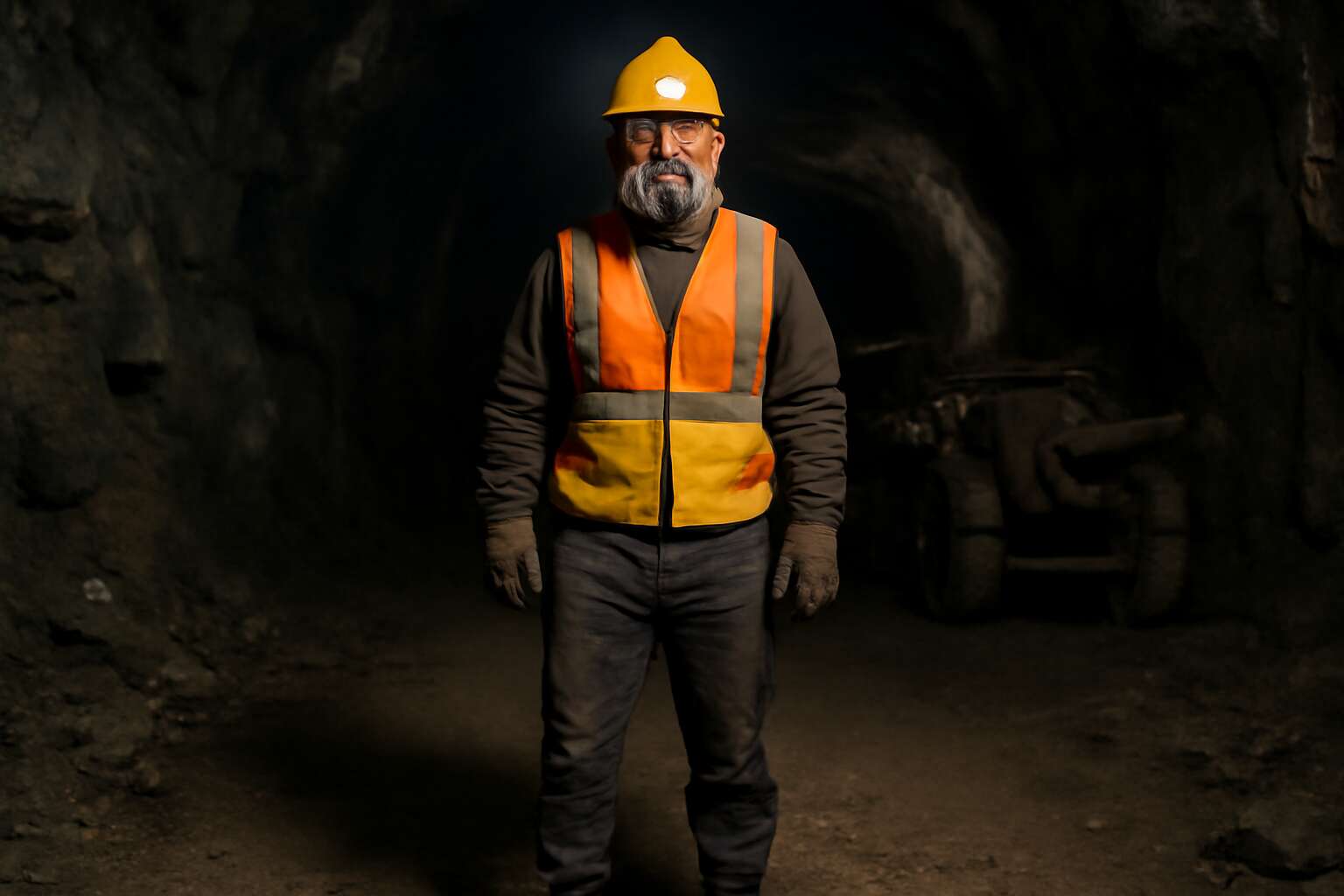
Mining Personal Protective Equipment Essentials and Safety Compliance
Core concepts of mining PPE
Powerful things happen when ppe becomes a trusted companion in the mine’s rhythm. “Safer gear, steadier hands!” echoes through South Africa’s shafts, where helmets catch the light and the tunnel hums with careful steps. mining ppe isn’t just gear; it’s a pact with life at work, and stories from the floor reveal how true protection turns uncertainty into steady focus—one shift at a time.
Essentials and safety compliance core concepts flow like a map of responsibility. Fit, maintenance, and proactive checks keep protection intact; training ensures crews interpret signals as well as gear. In South Africa, compliance threads MHSA-aligned norms through daily practice, turning PPE into a living tradition.
- Regular fit testing and equipment inspections
- Clear labeling, training records, and maintenance schedules
- Hazard-specific selection and user empowerment
The rhythm of safety is the rhythm of the mine.
Respiratory protection and air quality in mining
“Breath is life in the tunnel,” the old foreman used to say, and he wasn’t far from the truth. In the rhythm of the shaft, respiratory protection and air quality become the quiet engines of safety. mining ppe isn’t just gear; it’s life support you wear with every step.
In this realm, respiratory protection ranges from disposable respirators to elastomeric masks and powered systems, chosen to counter dust, silica, and diesel fumes. Real-time air quality is tracked by fixed sensors and personal monitors, while ventilation plans push fresh air toward the working face. The discipline of fit testing and seal checks sits at the core of PPE usage, turning a budget-friendly mask into a trusted ally.
From Cape to Gauteng, the air is a shared contract—breathing together, we demand integrity from equipment and from crews who read the signals in the shaft’s quiet hum.
Body protection and clothing for mining tasks
In the mine, body protection is the quiet armor that keeps you in the fight. We measure risk not in meters but in the moments before a blade of dust or a stray spark—and the right gear makes all the difference. “Protection is a shield you wear, not a barrier you dread,” a veteran foreman used to say, and the message sticks. mining ppe for body protection means flame-resistant fabrics, a snug fit, and gear that moves with you, not against you. Compliance isn’t paperwork; it’s discipline—fit checks, quick inspections, and clear labeling that keep crews aligned.
Core elements of the wardrobe your crew depends on include the following essentials:
- Hard hat with integrated shield
- Flame-resistant coveralls
- Protective gloves and safety boots
- Eye and face protection
Foot, hand, and ergonomic safety in mining work
In South Africa’s deep mines, the first line of defense is the step you take. A veteran foreman once said, “Protection is a shield you wear, not a barrier you dread,” and that mindset lands with every shift. That’s the breath behind every miner’s stride—mining ppe meets reality.
Foot and hand protection form the core of safe work. Steel-toe boots with slip-resistant tread and ankle support pair with cut-resistant gloves that grip without fatigue. Ergonomic safety is essential—design-friendly tools, adjustable supports, and mindful lifting let crews move with the mine, not against it.
- Foot protection: steel-toe boots, puncture-resistant soles, ankle support
- Hand protection: cut-resistant gloves with dependable grip
- Ergonomic safety: ergonomic tools, adjustable PPE, and equipment that fits
- Safety compliance: clear labeling, routine fit checks, and audits
When PPE aligns with daily work, safety and effort move in sync.

0 Comments