

PPE essentials and definitions
PPE basics and purposes
Across South Africa’s bustling work floors, PPE is a lifeline, not a luxury. A single misstep can rewrite a shift, yet the right protection keeps outcomes in the realm of possibility. PPE basics are less about gear and more about a mindset—careful, deliberate, ready to respond when precision matters most. Safety is a language you live, not a rule you recite.
To frame essentials without ambiguity, consider core categories that travel with every job:
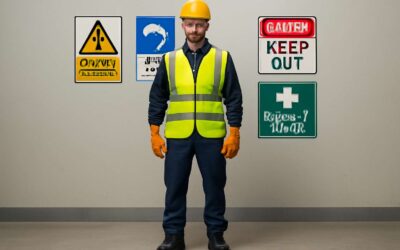
- Eye and face protection (goggles, face shields)
- Head protection (hard hat or bump cap)
- Hand protection (gloves appropriate to risk)
- Foot protection (safety boots with sturdy soles)
This ppe gear list anchors a culture of care, reminding teams that the barrier, the fit, and the lifecycle of equipment are as important as the work itself.
Common PPE categories (eye protection, respiratory protection, head protection, hearing protection, hand and foot protection)
South Africa’s busiest job floors know it: one careless moment can derail a shift, but the right PPE keeps outcomes within reach. Safety isn’t a rule so much as a practiced habit, and a well-crafted ppe gear list becomes the quiet conductor of daily work!
Common PPE categories include the following:
- Eye protection
- Respiratory protection
- Head protection
- Hearing protection
- Hand and foot protection
Eye protection shields against splashes and debris, while respiratory protection reduces exposure to dust and fumes. Head protection absorbs impact; hearing protection dampens machinery racket; hand and foot protection guard skin, grip, and sole. The lifecycle—fit, maintenance, replacement—remains as vital as the task itself.
Key PPE standards and symbols to recognize
Safety is the quiet engine that keeps SA sites running—one mishap can ripple through a shift like a bad joke with serious consequences. A well-structured ppe gear list isn’t a luxury; it’s a practical map that defines essentials, meanings, and what to look for in gear you actually trust on the floor.
Key PPE standards and symbols to recognize ensure you’re buying quality that lasts. Here are the anchors to read on labels:
- CE marking and SABS approval—the passport stamps of safety and local suitability
- EN 166 (eye protection), EN 149 (respiratory), EN 397 (head protection)—the universal reference family
- Label pictograms showing protection type and performance (impact, splash, filtration)
A savvy ppe gear list keeps teams aligned and safety simple, even on the busiest South African floors!
PPE by industry and risk assessment
Hazard assessment workflows
Across South Africa’s varied job sites, the ppe gear list can feel like a superpower—matched to risk, injuries drop and productivity climbs. Audits show proper PPE decisions save real people from harm and keep projects moving. The trick is tailoring gear to industry and hazard rather than slapping on whatever is handy.
Consider the main sectors where PPE by industry matters most:
- Construction and civil works
- Mining and quarrying
- Healthcare and laboratories
- Agriculture and farming
- Manufacturing and logistics
Beyond the gear itself, hazard assessment workflows guide what goes on the list. At a high level, risk is identified, evaluated, and matched to appropriate PPE. Think of it as a loop: identify hazards, assess exposure and severity, select PPE categories, and document decisions.
In South Africa, practical compliance, realistic use, and periodic review ensure PPE stays relevant, protecting people without turning safety into a paperwork parade.
Healthcare PPE considerations
Healthcare in South Africa hinges on protection that fits the moment. On a busy ward, a sharp risk assessment turns generic protection into a targeted shield—protecting staff, patients, and budgets alike. As one infection-control lead puts it, “Protection is prevention in action.” When exposure risks are clearly mapped, protection becomes practical, not optional!
Healthcare risk profiles demand more than off-the-shelf gear. They hinge on procedure type, patient infection status, and local supply realities. Your ppe gear list should reflect those factors and stay nimble as outbreaks or shortages shift the landscape.
- Donning and doffing protocols that minimize self-contamination
- Isolation and procedure-specific protection planning
- Training, fit testing, and ongoing practice for staff
Construction and industrial PPE considerations
On South Africa’s busy construction sites, risk-aware PPE isn’t a nice-to-have—it’s a default. A sharp risk assessment turns protection into a practical shield, and the right gear protects crews, budgets, and reputations alike!
In construction and industry, risk drives selection: fall protection for heights, eye and face shields for flying particles, hearing protection for relentless noise, gloves for grip and cut resistance, and respirators where dust or solvents loom.
- Fall protection and harnesses
- Eye and face shields
- Hearing protection
- Gloves and cut resistance
- Respiratory protection
This is a living document, updated with the job’s evolving hazards.
In SA, align PPE with local supply realities and training rhythms; the ppe gear list breathes with the site.
Laboratory and chemical handling PPE
Laboratories and chemical handling demand discipline as sharp as a beaker’s edge. A single splash or vapour exposure can pause experiments and jeopardize safety culture. A risk-led approach translates into a precise ppe gear list that accounts for solvents, acids, and volatile reagents—and the way they move through a workspace. In South Africa, supply realities and training rhythms shape choices, ensuring protection aligns with what teams can actually obtain and maintain!
Key elements commonly appear as a clear order in a gear list for labs:
- Chemical splash goggles or safety glasses
- Face shield for splash protection
- Chemical-resistant gloves (nitrile or neoprene)
- Lab coat or chemical-resistant apron
- Respiratory protection for powders or solvents
These choices keep South Africa’s labs resilient in the face of evolving hazards.
Sector-specific PPE checklists
Across South Africa’s industries, a disciplined risk assessment can cut injuries sharply when teams lean on a sector-tailored ppe gear list. The aim isn’t a one-size-fits-all shield but precise protection that matches hazards to fabric, seals, and respirators. From solvent vapours in processing plants to dusty mining tunnels, protection arrives as a thoughtful choreography of materials and fit, moving with risk through a workspace!
Consider sector-specific priorities:
- Agriculture and farming
- Mining and mineral processing
- Food processing and cold-chain operations
- Logistics, warehousing, and distribution
In South Africa, procurement cycles, training rhythms, and supplier networks shape the final PPE program. When risk assessment informs choices, protection becomes culture rather than a checkbox, guiding daily routines with confidence and care.
Choosing the right PPE: materials, sizing, and fit
Selecting material types for different hazards
South Africa’s diverse workplaces demand PPE that feels like a second skin when shifts run long. A well-cut glove or boot is safety you can feel, as floor sages remind: “Fit is safety you can feel.” The ppe gear list begins with materials, sizing, and fit.
Hazards steer material choices, and choosing wisely pays off in comfort and confidence. For chemicals, nitrile gloves balance dexterity with resistance; for cuts, Kevlar or similar fabrics stand up to abrasion; for heat or arc work, FR fabrics help. Sizes reflect the reality of hand shape and movement.
- Nitrile gloves for broad chemical resistance
- Kevlar or high-strength fabrics for cut protection
- Arc-rated or FR fabrics for heat and electrical hazards
Material and sizing matter within a narrative where form meets function. In the ppe gear list, fit and fabric type stand beside standards as everyday allies on site.
Sizing guides and fit testing
On South Africa’s bustling sites, a glove that feels like a second skin isn’t a luxury—it’s a safety metric. ‘Fit is safety you can feel,’ a supervisor likes to say, and it anchors every PPE choice. The ppe gear list begins with breathable materials, sizing that mirrors real hands, and a fit that moves with the worker rather than against them.
Sizing guides and fit testing close the gap between catalog specs and daily work. Size isn’t a single number; it’s about hand shape, finger length, and how you grip, reach, and twist during a shift. When the fit matches movement, comfort becomes confidence on site.
Consider these guiding elements:
- Materials balancing dexterity and protection
- Unified sizing insights across brands
- Regular fit testing cadence
On this South African landscape of work, the ppe gear list remains a steady compass—prioritizing fit, fabric, and the rhythm of active duty.
Comfort and usability features
On South Africa’s busy sites, a glove that fits right isn’t a luxury—it’s a safety metric. The ppe gear list starts with materials that breathe, sizing that mirrors real hands, and a fit that moves with the worker rather than against them. When the kit balances dexterity and protection, confidence follows. This choice isn’t vanity; it’s the baseline for safe, efficient shifts.
- Breathable fabrics that wick moisture and reduce hand fatigue
- Unified sizing insights across brands to shorten guesswork
- Regular fit testing cadence to keep pace with wear and tear
Comfort and usability features turn good PPE into reliable PPE. Look for ergonomic seams, easy donning, tactile feedback, and cuffs that seal without pinching. A thoughtful ppe gear list keeps workers moving—minimising hot spots, simplifying inspections, and extending glove and tool life. This ppe gear list anchors daily decisions, from glove texture to cuff design.
Durability and maintenance
In the heartbeat of South Africa’s busiest sites, a glove that fits right is safety fuel. More than half of PPE setbacks trace to sizing and maintenance, not torn fabric. Choosing the right PPE begins with breathable materials, sizing that mirrors real hands, and a fit that moves with the worker rather than against them.
- Breathable, durable materials that tolerate heat and moisture
- Unified sizing concepts across brands to cut guesswork
- Clear maintenance routines to extend glove and tool life
Durability and maintenance become daily discipline. Regular cleaning, visible inspections for wear, and storage out of sun and dust keep the ppe gear list practical and affordable—letting workers push through long shifts with confidence and comfort.
Compatibility with other PPE
On South Africa’s busiest sites, a glove that fits feels like safety wearing its own tailored outfit. A striking stat lingers: up to 60% of near-misses stem from sizing rather than torn fabric. Choosing right PPE begins with breathable, heat-tolerant materials and sizing that mirrors real hands, so the ppe gear list becomes ballast in the day, not a nagging weight on morale.
Materials should breathe, wick moisture, and endure heat without surrendering grip. Seek fabrics that flex with you and seams that won’t balk at motion. Sizing must transcend brand labels and reflect genuine hand geometry; fit should travel with the worker rather than cling to a fixture. When materials meet proper scale, dexterity and comfort harmonize, turning the PPE kit into a quiet ally.
PPE usage: donning, doffing, and safety protocols
Donning and doffing steps
In busy South African sites, a single misstep can echo across a shift. A safety briefing last year reported up to 40% of PPE-related incidents begin with improper donning or doffing, underscoring disciplined practice. This section ties into the ppe gear list with care.
Donning is a moment of deliberate preparation—alignment, inspection, and a calm rhythm that minimizes contact with contaminants. Doffing reverses the flow, guarding against backflow and cross-contamination. Safety protocols weave these actions into routine, not rituals, so vigilance remains constant even when the pace quickens!
- Mindful sequencing from clean to contaminated surfaces
- Observing environmental controls to minimize exposure
- Adhering to disposal and decontamination policies
Lastly, safety protocols demand ongoing training, fit checks, and peer accountability, ensuring the ppe gear list stays a living standard on the floor on site.
Decontamination and sanitization
On busy South African sites, one misstep can echo across a shift. A safety briefing last year found up to 40% of PPE incidents begin with improper donning or doffing, underscoring the weight of the ppe gear list.
Donning is a moment of deliberate preparation—alignment, inspection, and a calm rhythm that minimizes contact with contaminants. Doffing reverses the flow, guarding against backflow and cross‑contamination. Safety protocols weave these actions into routine on site.
A mindful sequence from clean to contaminated surfaces guides workers, while environmental controls reduce exposure and disposal and decontamination policies shape how the gear is treated after use.
Finally, safety protocols demand ongoing training, fit checks, and peer accountability, ensuring the ppe gear list remains a living standard on the floor.
Storage and transport
On busy South African sites, a single misstep can echo through a shift. The ppe gear list is not a spreadsheet; it’s a living contract between worker and workplace. Donning and doffing become quiet acts of boundary-setting, shaping how we touch contaminants and how we reset after exposure. Each movement carries intention, a testament to training and accountability, not mere ritual.
Storage and transport of PPE are invisible links in the chain. When gear travels between sites, its seal, label, and cleanliness matter as much as any protection.
- Dedicated PPE storage areas to avoid cross-contamination
- Clear labeling and inventory controls for traceability
- Leak-proof transport containers between sites
- Periodic checks of gear condition and labeling
I’ve learned that safety protocols endure when training is continuous and peers hold each other to quiet standards. The ppe gear list becomes a sounding board for trust on the floor, a test of how willing we are to pause, reassess, and reset.
Disposal and reuse policies
“Safety is a garment you wear on every shift,” a foreman reminds me, especially on busy South African sites, and it sticks. Donning and doffing aren’t mere rituals; they’re boundary-setting between trusted hands and unseen contaminants. The way you move tells a story of training, accountability, and care, all captured in the ppe gear list that guides our daily rhythm.
When protocols govern movement, disposal and reuse policies become a quiet chorus on site. I’ve watched teams respect cleanliness, separate waste streams, and insist on traceability for every item—because trust wears down without a clear life cycle.
- Dedicated disposal streams for single-use PPE
- Clear labeling and inventory controls for traceability
- Policies that govern reuse after proper decontamination
These policies keep the floor safe with dignity, a discipline I’ve seen steadying even the most hurried shifts.
PPE compliance, procurement, and cost management
Regulatory requirements and standards
Compliance is the quiet engine behind every safe shift and steady budget. In South Africa, aligning with the Occupational Health and Safety Act and SABS standards turns risky purchases into measured investments. A robust ppe gear list guides procurement and cost management, keeping regulatory demands visible at every turn.
Procurement should balance value, quality, and lifecycle costs. A clear process reduces waste and protects margins, guiding every supplier quest while staying compliant.
- Vendor qualification and certification checks
- Bulk purchasing and long-term discounts
- Lifecycle costing and stock-rotation planning
These steps support a structured approach to safety procurement, helping audits go smoothly and costs stay predictable.
Vendor selection and supplier audits
Safety isn’t a luxury; it’s a quiet engine that keeps budgets steady and people whole! In South Africa’s busy workspaces, a well-curated ppe gear list turns compliance into clarity, turning risk into a measurable asset. ‘Safety is good business’—a line that lands like a bell, reminding procurement that every item speaks to value, durability, and fit.
Vendor selection and supplier audits shape the journey from risk to reliability. Consider a three-pronged approach:
- Vendor qualification and certification checks
- Bulk purchasing and long-term discounts
- Lifecycle costing and stock-rotation planning
With these pillars, audits glide and costs stay predictable, supported by SA-focused governance and a supplier network that respects lead times and warranty assurances. The aim is to align procurement with long-term value, balancing quality, service, and stock readiness in every contract.
Inventory management and restocking
A hard truth anchors the floor: ‘Safety is good business’—and it’s the first line procurement teams quote when margins tighten. PPE compliance isn’t a ritual; it’s a disciplined procurement rhythm. A well-structured ppe gear list aligns risk with cost, guiding vendor selection, contract terms, and restocking cadence so production stays steady and audits stay friendly.
To keep governance tight and costs predictable, I build a small, targeted flow for procurement and audits:
- Live stock counts linked to reorder thresholds
- Expiry-aware rotation to cut waste
Inventory management and restocking become a stealth operation, syncing SA supplier networks, warranty terms, and lead times to keep the shield intact while costs stay predictable.
Budgeting and total cost of ownership
In South Africa, safety on the shop floor is a budget multiplier, not a cost center. When leadership treats PPE like a strategic asset, the numbers prove it—well-managed programs can trim waste and lift uptime. A tight procurement rhythm means fewer firefights during audits and more confidence in margins. The ppe gear list becomes the captain’s chart, aligning risk with cost and guiding vendor terms without melodrama.
Budgeting and total cost of ownership hinge on wear, maintenance, and rotation. To keep this coherent, consider these essentials:
- Forecast long-term replacement costs and warranty terms
- Factor storage, depreciation, and disposal into the lifecycle
- Build in cadence for audits and supplier reviews
When the numbers align, compliance becomes a quiet engine—predictable costs, smooth restocking, and a safer, more productive South African workday. The ppe gear list stays central, guiding decisions as needs evolve and suppliers prove reliable.


0 Comments