
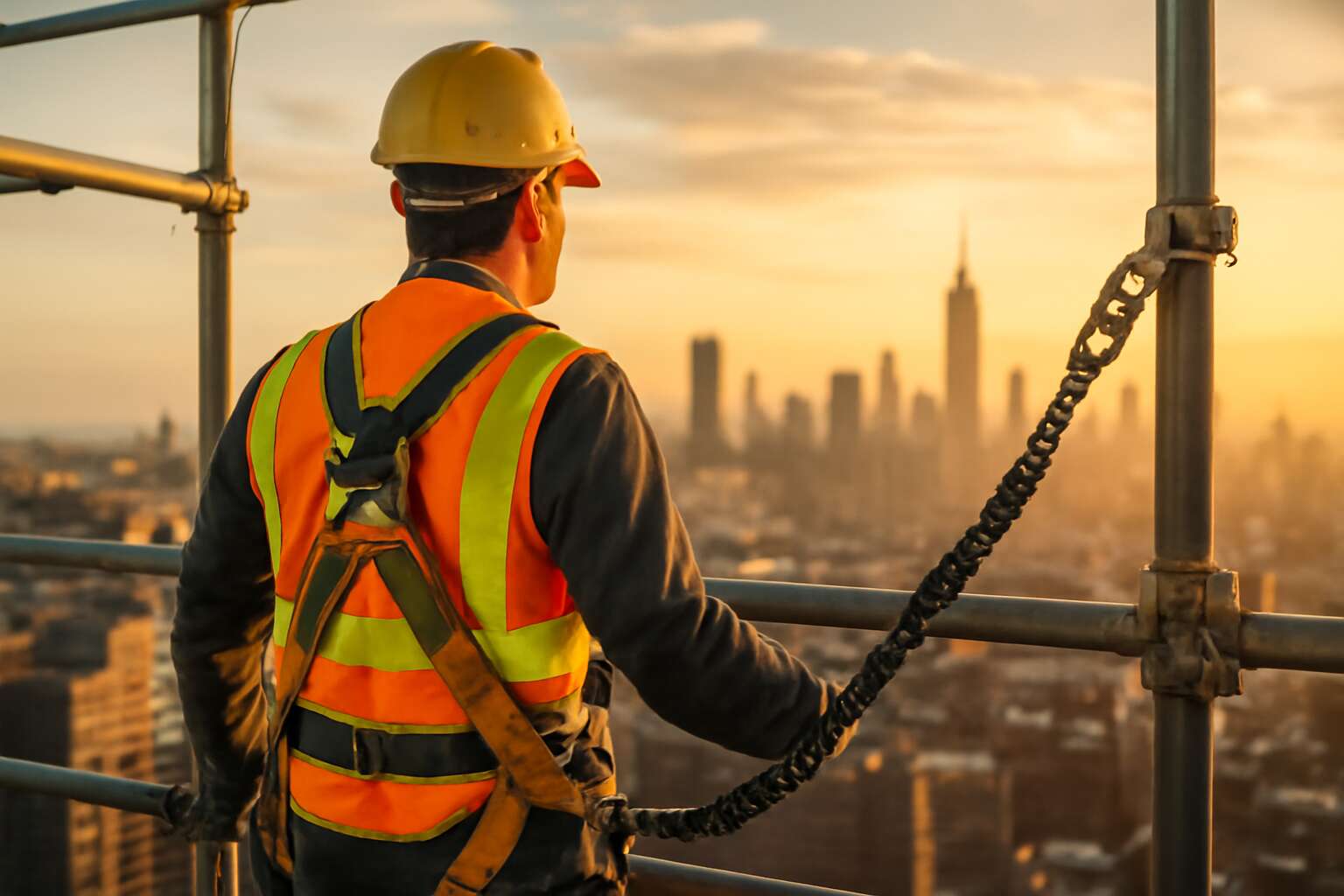
Comprehensive PPE for work at heights
Choosing the Right PPE for Work at Heights
Falls from height are a stubborn risk on South African sites, turning a routine task into a costly setback. A culture of safety starts with gear that fits the task, the climate, and the duration of the job. When we talk about ppe when working at heights, we’re discussing a protection system, not a single gadget!
Comprehensive PPE covers more than a helmet. Core components include:
- Head protection that resists impact and penetration
- Full-body harness with a compliant lanyard
- Anchor points and fall-arrest systems
- Non-slip boots, gloves, and appropriate eye/face protection
- High-visibility clothing when working outdoors
Within the SA context, PPE should meet safety standards, be comfortable, and maintained in good order, ensuring ongoing protection for workers at heights.
Key PPE Categories for Height Work
Falls from heights remain the leading cause of fatal injuries on South African construction sites, and a single lapse can ripple through a workforce—I’ve seen the cost up close.
Comprehensive PPE is not a gadget but a protection system woven into the task, climate, and duration. It moves beyond a helmet to guard the head, torso, hands, feet, and eyes while keeping mobility intact and comfort in check.
In South Africa, PPE must meet safety standards, be comfortable, and be cared for. When we talk about ppe when working at heights, we’re talking about a living safety network—inspected, adjusted, and worn as part of the job.
Compliance, Standards and Best Practices for Height PPE
Falls from heights remain the leading cause of fatal injuries on South African construction sites, a truth felt long after the hard hats are set aside. Comprehensive PPE for work at heights is more than gear; it’s a living safety system threaded through task, weather, and duration. It guards the head, torso, hands, feet, and eyes while preserving mobility and comfort—an anchor for every shift.
Compliance, standards and best practices frame this protection network. To keep it strong, sites routinely verify that equipment bears credible marks, is kept clean, and is replaced when worn.
- Certified safety gear meeting recognized standards with credible marks.
- Regular inspections, pre-use checks, and timely maintenance to sustain protective performance.
- Proper training and fit, ensuring workers can move confidently while wearing ppe when working at heights.
Across South Africa, the meaning of safety expands beyond gear. It is the reciprocal trust between people and the kit, a daily promise that ppe when working at heights remains ready, resilient, and worn with care.
Training, Fit Testing and Inspection of Height PPE
“Safety isn’t expensive—it’s priceless,” a veteran safety officer once told me. On South African sites, ppe when working at heights is the first line of defense, not a final flourish. It anchors decisions and buys time when it matters most.
Comprehensive training turns theory into reflex. It covers donning and doffing, hazard recognition, and practical rescue procedures.
- Donning and doffing considerations to keep harnesses and helmets secure
- Hazard recognition in wind, glare, and fatigue
- Emergency response concepts and clear communication
Fit testing and inspection are not formalities; they keep height PPE performing under pressure. Pre-use checks, periodic inspections by a competent person, and timely maintenance sustain protective performance.
- Pre-use checks as a routine vigilance
- Periodic inspections by a competent person
- Maintenance and records tracking wear and service life
Across South African sites, the daily discipline makes ppe when working at heights a trusted partner, not a burden.



0 Comments