
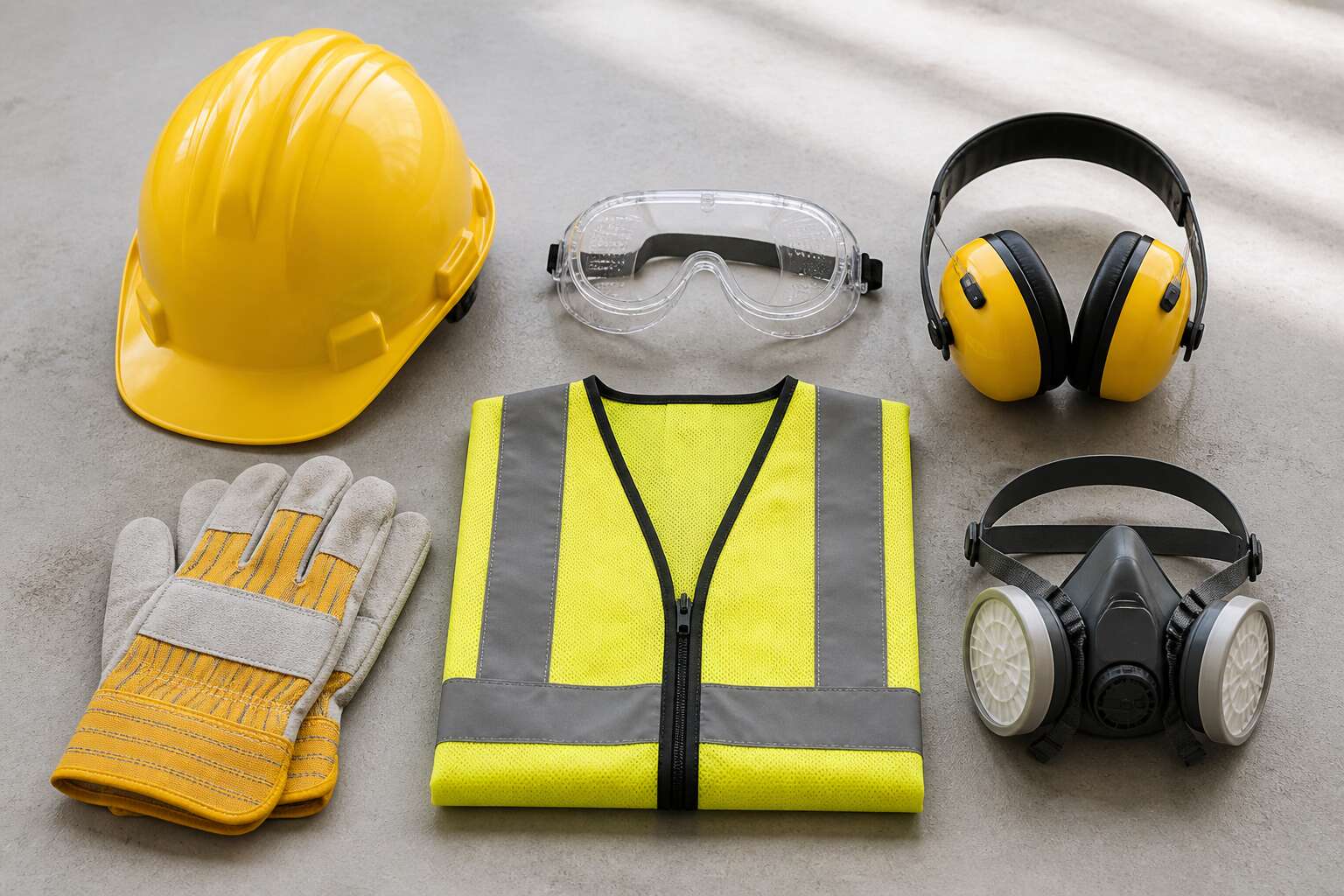
Conducting a Comprehensive Workplace PPE Hazard Assessment
Every single day, South African workers head home injured, or never head home at all, because the right protection was missing. Figuring out what ppe is needed in the company begins with a hazard assessment, not a frantic online order.
Walk your site with real attention. I mean every corner! Look for pinch points, falling objects, chemical splashes, and that one loading dock where everyone holds their breath. Study every task, every shift, every worker.
Work through these questions:
- Where do workers face impact, heat, or airborne dangers?
- Which body parts are exposed during routine operations?
- What emergency scenarios demand extra protection?
Those answers guide your choices. PPE never prevents hazards. It simply shields against them. Observe your processes, document everything, then decide. That is the only honest path to equipping your people without wasting money on unused gear.
Selecting the Right Personal Protective Equipment by Body Region
In South Africa, a serious eye injury occurs every single day on the job. That statistic alone should make you pause. So, what ppe is needed in the company to prevent these painful failures? The answer begins with a head-to-toe audit, because protection is not a one-size-fits-all affair. It is a targeted strategy for each vulnerable part of the human body.
Your head and face are the frontline. Hard hats feel non-negotiable. They are. But you must also consider the specific hazards. For instance, a welding spark travels fast, and safety glasses will not stop it. That demands a full face shield.
– Safety glasses or goggles for impact resistance
– Face shields for chemical splash or molten metal
– Ear muffs or plugs for noise above 85 decibels
– Hard hats with a chin strap for elevated work
Moving down the body, hands face the most frequent dangers. Cuts, burns, and amputations happen when workers choose the wrong glove for the task. The same logic applies to your feet. Steel-toed boots are standard, but they fail against electrical risks. You need dielectric footwear for that. Selecting the right personal protective equipment by body region ensures that each worker gets precisely what they need, without sacrificing comfort or dexterity. This targeted approach is the only way to build a culture where safety is physical, not just theoretical.
Industry-Specific PPE Requirements and Best Practices
In South Africa’s mining sector, more than three thousand preventable injuries occur each year. A proper safety plan hinges on knowing what PPE is needed in the company, and that starts with a risk assessment, not guesswork.
For construction, hard hats and reflective vests are standard. Chemical plants demand more, like respirators with specific cartridges and acid-resistant gloves. The hazards vary wildly across industries, so a generic checklist never suffices.
- Falling objects require headgear
- Loud environments need earplugs or muffs
- Airborne particles call for respirators
A warehouse prioritises steel-capped boots and high-visibility clothing. A laboratory focuses on splash goggles and lab coats. Each workstation has its own quirks, and the smartest move is to assess them individually.
PPE Training, Fit Testing, and User Competency
A single failed seal can expose a worker to dangerous airborne particles. Proper training turns what ppe is needed in the company into a practical skill. We practice donning and doffing until every motion becomes routine. Short sessions with immediate feedback work better than long, passive talks.
Fit testing measures actual seal integrity. A respirator that looks correct can still leak. We use quantitative methods to catch subtle gaps. This is not paperwork; it is protection.
User competency builds from these foundations. It involves observing each worker’s technique and correcting small errors. Check these areas:
- Performing seal checks before entry
- Adjusting straps without rushing
- Identifying signs of poor fit
Repetition and observation reinforce competence, so safety feels automatic.
Developing a Sustainable PPE Management Program
Every year, South African workers step into zones that demand more than courage; they demand gear that actually works. A sustainable PPE management program begins with a hard question. What is the real hazard, not the assumed one? To understand what PPE is needed in the company, try walking the floor and observing. Watch the dust, the noise, the heat. Then match protection to reality, not paperwork.
Think about the basics:
- Respirators for airborne particulates
- Safety footwear with puncture protection
- Hearing protection for high decibel areas
Sustainable management also means training people to care for their equipment. Replace torn items before they fail. Listen to worker complaints. This is continuous attention, not a once off audit. That is how you build a culture where safety is owned, not enforced.
0 Comments