

PPE meaning and safety fundamentals
Understanding PPE meaning in workplace safety
A striking statistic anchors this tale: proper PPE reduces injury risk by up to 72%, a figure that reverberates through South Africa’s busy workplaces from factories to mines!
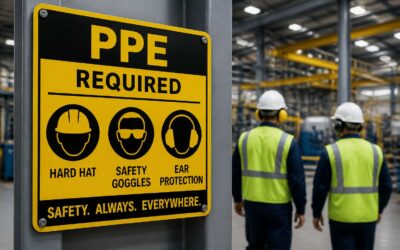
The term ppe meaning in safety is simple yet profound: gear worn to shield workers from hazards like flying debris, heat, and splashes. In South Africa, regulations require the right PPE when risks cannot be eliminated, turning each shift into careful safety.
- Eye and face protection
- Head protection
- Hand and arm protection
- Respiratory protection
ppe meaning in safety, understood as a compass for fit, care, and regular inspection, remains the guiding principle—never a one-size-fits-all prop.
In this magical yet practical safety tale, PPE becomes a trusted partner on the journey through hazardous landscapes, a quiet guardian of the everyday bravura found in SA workplaces.
How to determine PPE needs through risk assessment
In the hum of a South African workshop, a single PPE decision can tilt a shift toward safety or peril. Understanding ppe meaning in safety frames every choice from procurement to practice, reminding leaders that protection must fit the risk, not the ego.
- Identify hazards and likely exposure with frontline staff and records.
- Assess risk by considering probability, consequence, and duration where controls exist.
- Choose PPE that matches the risk, ensuring proper fit, compatibility, and clear use training.
Risk assessment is a living discipline, honoring fit, maintenance, and wearer comfort. When PPE emerges from careful evaluation, safety becomes a shared ritual rather than a blunt rule.
PPE types and practical use in different industries
In SA workshops, a single PPE lapse can tilt a shift toward safety or peril. A recent survey found 1 in 5 near-misses trace back to PPE lapses. This is the cornerstone of ppe meaning in safety!
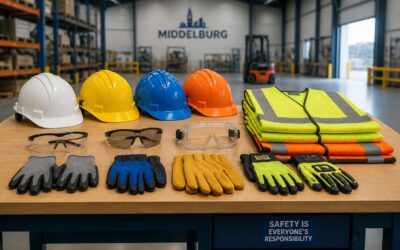
PPE types and practical use matter across industries. It starts with protection that fits and moves with your job:
- Head protection (hard hats) for falling objects
- Eye and face protection (goggles, shields)
- Hearing protection (earplugs, muffs)
- Respiratory protection (masks, respirators)
- Hand protection (gloves)
- Foot protection (safety boots)
From mining to clinics, the application changes with risk, but the rules stay the same: proper fit, maintenance, and clear use training keep PPE meaningful—it’s about protection that lasts through the shift, not a one-off gesture. We design PPE programs that fit real hands and real shifts. Protection isn’t just gear; it’s a quiet guardian watching over each movement.
Best practices for selection, fit, and comfort
One in five near-misses in SA workshops trace back to PPE lapses, a statistic that makes ppe meaning in safety feel urgent rather than ornamental. In the rhythm of a shift, protection must move with the body and breathe with the task—silent armor that never alarms the wearer.
Selecting protection isn’t about chasing the flashiest gear; it’s about alignment with work, fit, and comfort. The best choices honor the body’s contours and the job’s tempo. Consider these principles:
- Optimal fit that allows full range of motion
- Materials that remain comfortable through long shifts
- Clear compatibility with other PPE and tools
Across industries in South Africa, PPE becomes less a costume and more a quiet guardian—an unseen line of defense guarding each movement and moment of concentration.
Maintenance, inspection, and replacement guidelines
A quarter of near-misses in SA workshops trace back to PPE lapses, and that makes ppe meaning in safety feel urgent—it’s not ornamental. PPE is the quiet partner of the shift, moving with your body and breathing with the task. When it fits, breathes, and checks out with you, it becomes a loyal teammate rather than a stubborn accessory.
Maintenance, inspection, and replacement are the three pillars that keep PPE honest. Consider these principles part of the care routine:
- Regular visual inspections for wear, damage, and proper seal or fastenings
- Careful cleaning, drying, and storage per manufacturer guidelines
- Clear criteria for when components should be retired or replaced
- Documentation of condition and expiry to ensure traceability
Stored correctly, PPE stays a durable shield across long shifts; neglectful habits are the real hazard. In South Africa, compliance with maintenance norms protects more than equipment—it guards everyone’s concentration and productivity.
Regulatory landscape and standards overview
Regulatory timbre in South Africa shapes every visor, glove, and respirator we trust. The ppe meaning in safety stretches beyond supply and fit—it’s a sworn alignment with law and duty. When compliance is understood as a living framework, safety becomes a shared, vigilant ritual rather than mere paperwork.
Key pillars keep this covenant honest:
- Occupational Health and Safety Act (OHSA) and General Safety Regulations
- Standards from SABS and the NRCS for PPE components
- Manufacturer labeling, expiry dating, and traceability requirements
Where law meets practice, PPE endures as a quiet sentinel—protecting focus, performance, and the integrity of every shift.

0 Comments