
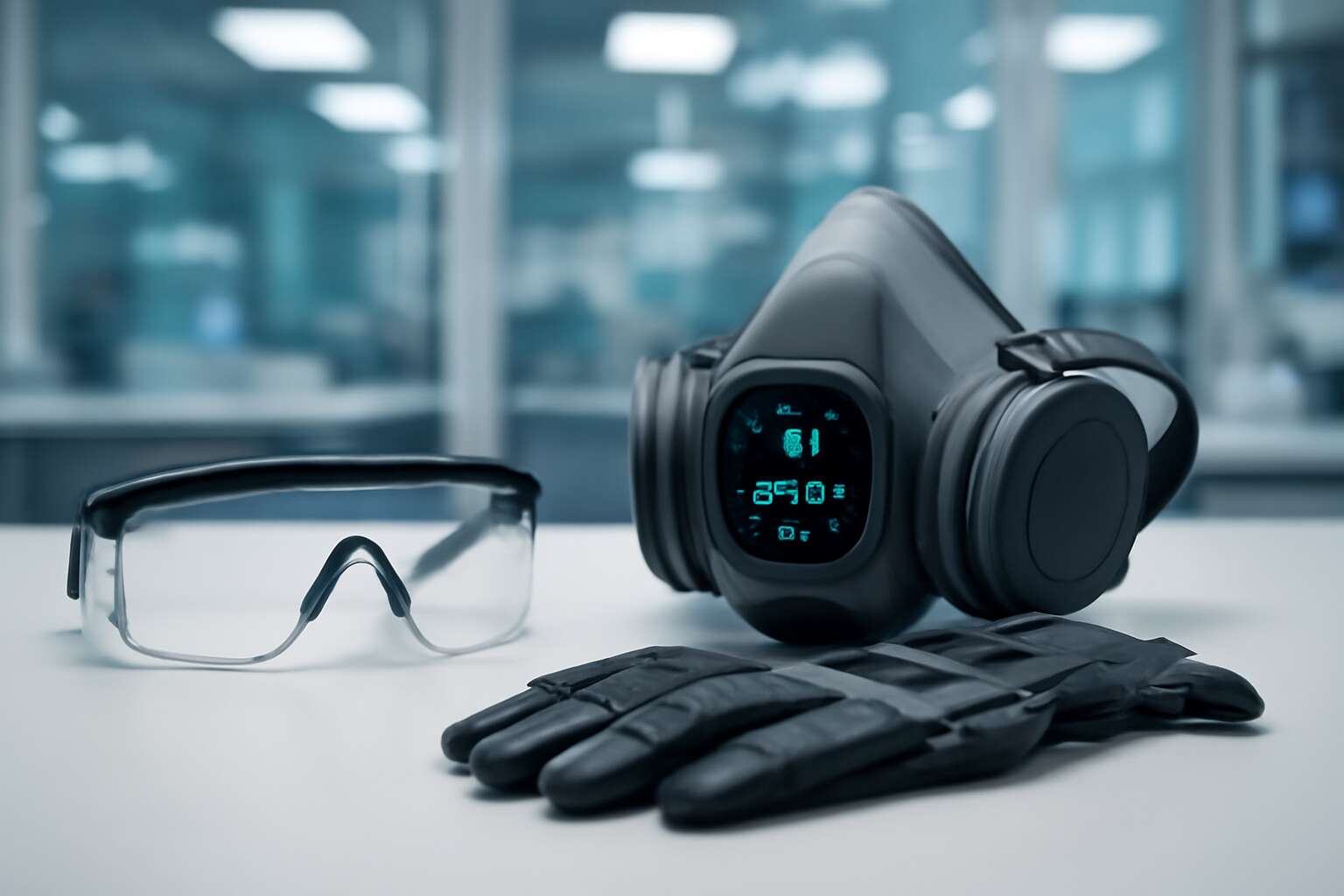
Protective Equipment Technologies: Innovations, Applications, and Trends
Design and Materials
Across South Africa’s rugged work sites, ppe technologies are more than protection—they’re daily resilience. Industry data show up to a 25% reduction in near-misses when advanced safety gear is adopted, a bold reminder that science and safety can share the same track!
From smart textiles that monitor heat and pulse to modular face shields and antimicrobial coatings, designers are rethinking protection at the molecular level. Here are a few standout innovations:
- Smart textiles with integrated sensors
- Modular face shields that snap on in seconds
- Antimicrobial, recycled-material coatings
Gear now breathes, lasts longer, and even employs aerogel-like membranes to stay cool in heat, adapting to changing shifts and dusty rooms.
Design and materials trends point to lighter composites, durable elastomers, and recyclable polymers that survive SA’s climate and mine dust. Local manufacturers embrace open standards, lifecycle thinking, and quiet innovations born from necessity—proof that safety can be stylish and practical.
Smart PPE and Digital Integration
Across SA sites, the right ppe technologies deliver more than protection—they deliver intelligent oversight. Field pilots show heat-stress alerts and near-miss warnings reduced response times by up to 40%, turning gear into real-time safety partners. What a shift!
Smart PPE connects sensors in caps, gloves, and eyewear to a central dashboard. This digital integration enables proactive maintenance, real-time condition monitoring, and lifecycle analytics that guide replacement schedules without guessing.
- Sensor-enabled hard hats that monitor impact, temperature, and head exposure
- Gloves with flexible micro-sensors and haptic feedback for grip integrity
- Face shields with modular inserts and antimicrobial coatings
Beyond hardware, software layers stitch gear into a safety ecosystem—cloud dashboards, alert routing, and predictive wear-and-tear models—making ppe technologies a strategic asset rather than a one-off purchase.
PPE in Healthcare and Industrial Settings
In South Africa’s frontline, ppe technologies are turning protection into strategy—adoption rose by 32% across healthcare and industry last year, a quiet revolution that proves safety is something you manage, not simply wear.
Healthcare environments are embracing antimicrobial coatings, rapid-donning PPE, and compact PAPRs that ease long shifts.
- Antimicrobial coatings
- Modular face shields
- Lifecycle RFID tracking
These shifts translate into smoother workflows, fewer interruptions, and sustained readiness on demanding shifts.
Industrial settings are adopting arc-rated fabrics, reusable elastomeric respirators, and smart maintenance alerts that track wear without interrupting operations. The trend is toward connected protection that informs decisions in real time.
Regulatory Landscape and Future Outlook
Across South Africa, PPE technologies adoption rose 32% last year, turning protection into a strategic asset on the frontline—for many, ppe technologies are at the heart of every shift. It’s about reliability, comfort, and clarity that comes from real-time data.
PPE technologies are reshaping field use through innovations in fit, sensing, and design thinking. This translates to safer shifts and steadier teams in clinics, mines, and logistics hubs.
- Biometric fit and seal optimization
- Embedded sensors for heat, humidity, and fatigue
- Digital twins to test performance early
From a regulatory lens, SA is aligning standards with international norms while strengthening DoH and NRCS oversight. The future of ppe technologies points to more connected protection, where data-driven maintenance and risk-based approvals guide procurement decisions.



0 Comments