
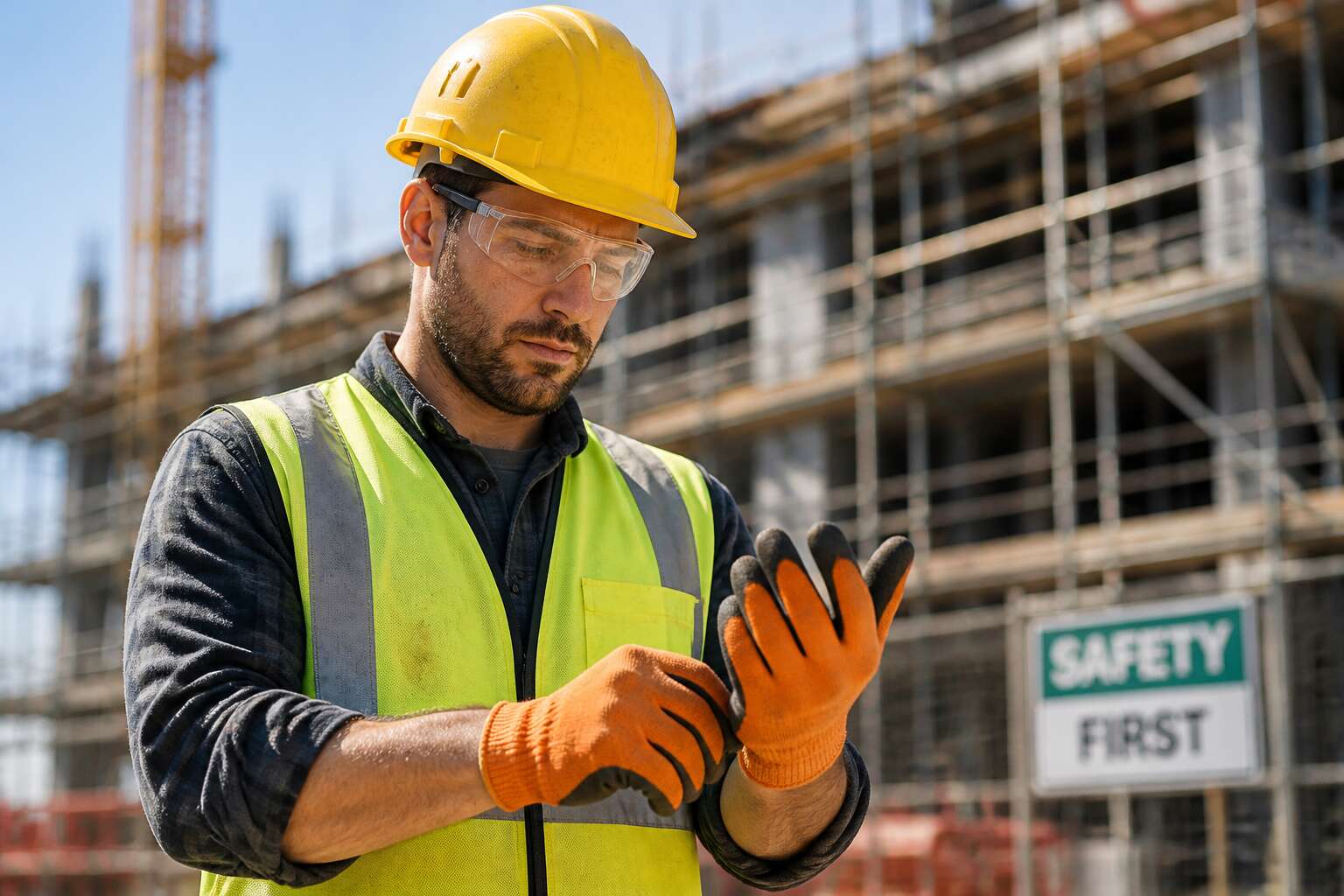
OSHA Standards and Regulatory Compliance
Construction sites remain among South Africa’s most hazardous workplaces. Falls, struck-by incidents, and electrocutions claim too many lives each year, and the statistics remain grim. OSHA standards, while American in origin, serve as the global reference point for safety frameworks. Locally, the Occupational Health and Safety Act and the Construction Regulations 2014 carry the weight of law.
Compliance translates directly into daily decisions about construction ppe. Hard hats meeting SABS standards, steel-toed boots, and high-visibility vests are the tangible outcomes of regulatory oversight. Inspectors can issue prohibition notices that halt work. I have seen that happen, and the fallout is immediate!
The Construction Regulations oblige a documented sequence:
- Identify every risk zone on site.
- Match the correct construction ppe to each task.
- Document training and equipment issuance.
- Conduct weekly inspections of gear condition.
Non-compliance carries costs beyond fines. It erodes worker confidence and invites civil liability.
Head-to-Toe Protection: Essential PPE Categories
Sweat stings the eyes of a bricklayer in Gauteng when a nail drops from the scaffolding above. Within a second, construction ppe becomes the only shield between him and a serious head injury. This equipment runs from skull to sole, designed to counter gravity, momentum, and the daily carelessness of tired workers.
I have walked enough site staging areas to know which categories carry the most weight on any given morning:
- Hard hats to deflect falling rebar and swinging hooks.
- High visibility vests to keep bodies visible to reversing trucks.
- Steel toe boots to absorb dropped loads.
- Cut resistant gloves for handling rebar and glass.
Each item works alone, yet the system fails if one is forgotten. A missing glove might mean an abrasion; a missing helmet can mean the end of a working life. Every layer of construction ppe demands discipline, especially under the pressure of a South African summer!
Selecting and Maintaining High-Performance Equipment
Working on a South African site means your gear faces brutal sun, driving rain, and abrasive dust. Construction ppe is the thin barrier between your skin and those extremes. High-performance materials like Kevlar stitching and impact-rated polycarbonate are not optional extras. They separate the worker who walks home from the one carried off site.
A hard hat that takes a knock today might fail tomorrow. Inspect for hairline cracks, faded UV coatings, and worn suspension systems. Replace any component that shows doubt. Your boots deserve the same scrutiny. Check sole delamination, steel toe exposure, and lace anchors.
- A harness webbing that loses its elasticity.
- A respirator seal deformed by months of compression.
- Gloves with thinning palms from constant abrasion.
- A helmet shell that has lost its glossy protective layer.
The maintenance ritual turns ordinary gear into dependable protection. It is quiet, repetitive, and vital.
Common Mistakes and Emerging Trends in Safety Gear
Drop a brick on your boot and you will learn why steel toes exist. Most South African workers already know that. The mistakes creep in elsewhere.
Plenty of crews still ignore the fit of their harness. A loose strap is a lawsuit waiting to happen. Emerging trends push for gear that adapts to you. Sensor woven fabrics track heat stress. For construction ppe, the focus shifted to prevention. Here is what the sharp operators swear by:
- Replacing rigid boots with composite toe options
- Adding moisture wicking liners
I once saw a guy wear his visor backwards for three weeks. Nobody said a word. That is the culture gap we must close.
Specialized Protection for High-Risk Environments
Every shift on a South African site can change in an instant. One moment you are securing formwork, the next you are working alongside a live excavation. The stakes here are simply too high for guesswork. Standard gear has its place, but high-risk zones demand a more considered approach. This is where specialised construction ppe moves beyond the basics and becomes a matter of life or death.
Think about the welder suspended over a shaft, or the crew handling hazardous materials in a confined space. Their protection must be as dynamic as their tasks. I have seen teams trust their safety to a frayed harness, and it is a chilling sight. The gear must match the threat, precisely.
– Arc flash suits for electrical work
– Class 3 high visibility with retroreflective tape for night shifts
– Dielectric footwear for wet conditions near live wires
– Respiratory protection with a positive pressure seal
These items are not accessories. They are engineered responses to specific dangers. Moreover, the complexity of the garments themselves matters. A flame-resistant outer layer will only work if the base layers do not melt beneath it. We need to consider the entire system, from the skin outward. The industrial market now offers smart fabrics that monitor heat stress, but you still need a worker who understands its limits. Ultimately, the best construction ppe in the country cannot compensate for a lack of vigilance. It is a partnership between the person and the product.

0 Comments