
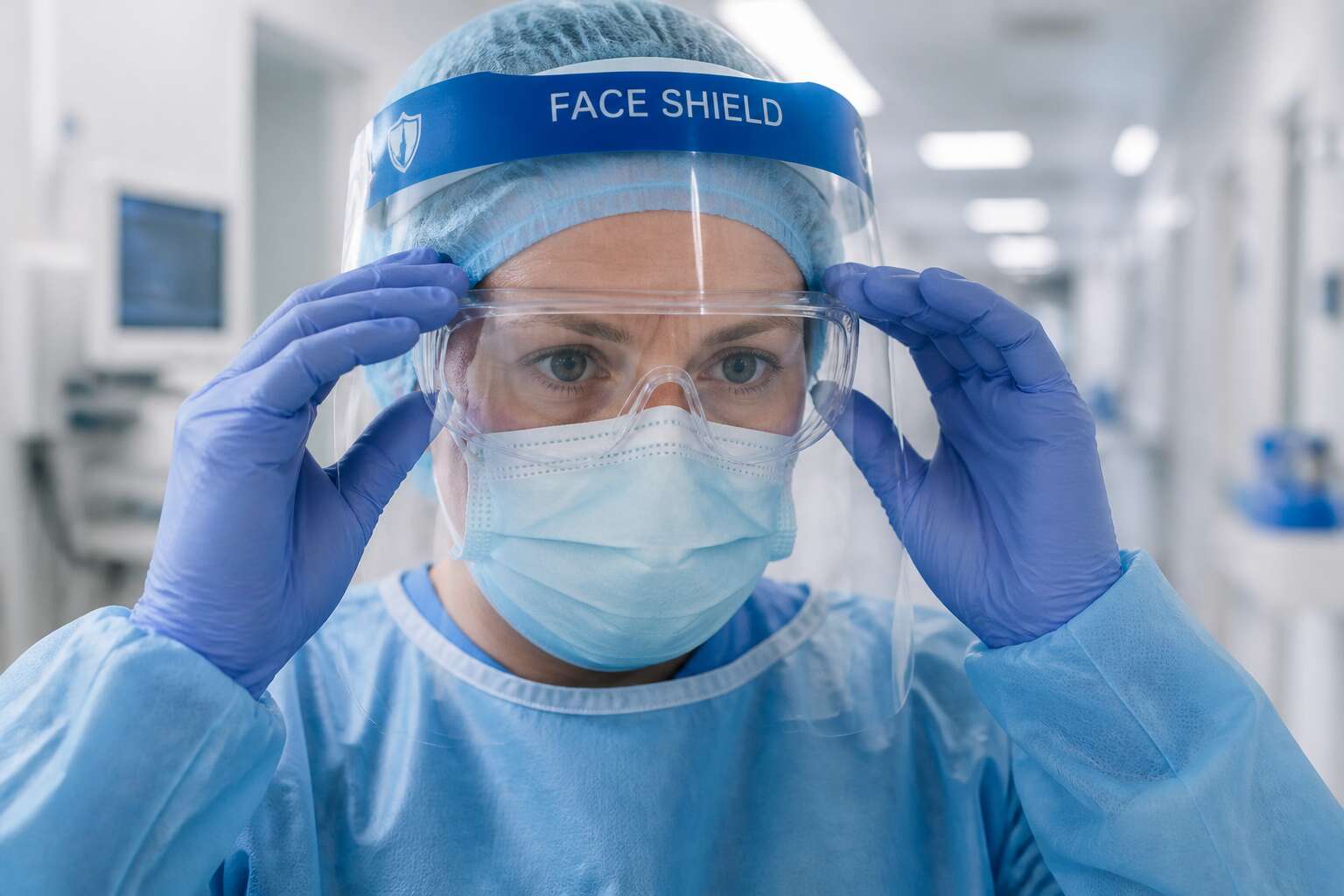
Understanding the Fundamentals of PPE Selection
When ppe should be used, the sequence comes from the task, not from a shelf. In a South African workshop, I saw an operator finish a grinding task, switch to a cleaning solvent, and keep the same gloves on. Those gloves were rated for sparks, not for that solvent. That is how a safety failure hides inside a routine shift.
The selection begins with walking the actual job. Look at the materials, the energy sources, and the amount of time a worker stands inside the risk zone. That walk gives you the first honest filter.
- Record the physical hazard for each step of the operation.
- Choose ppe that matches that hazard and fits the body.
- Check it with the wearer, not just on a sign-off sheet.
That discipline separates a protection plan from a nice poster. When ppe should be used, the answer follows the changing task, not the urgency of a supplier call.
Determining the Right Time for PPE in Healthcare Settings
Pathogens move with us, through our breath, our hands, and our instruments. They are silent travellers, invisible to the naked eye, waiting for a single lapse in protocol. That is why deciding when ppe should be used is more than a checklist item; it is a professional discipline.
You cannot rely on a timecard to dictate protection. A patient with a fever could be in triage before a diagnosis is confirmed. Conversely, a calm-looking wound dressing change might expose you to bloodborne viruses. The distinction rests entirely on anticipating exposure, not waiting for a red flag. In a South African public hospital, resources can be stretched, so the decision to use gear must be immediate and correct.
Moment-by-moment determination keeps everyone safe. Here is the trigger for immediate donning:
– Anticipated contact with blood, saliva, or mucous membranes.
– Any procedure generating aerosols, such as suctioning or intubation.
– Handling contaminated waste or soiled linens.
You read the room, assess the task, and cover up accordingly. This judgement becomes second nature, yet it demands daily evaluation of risk and a relentless respect for the unknown. Wear your guard like a shield, not a formality.
When PPE is Mandatory in Industrial and Construction Environments
South African construction sites hide dangers that do not negotiate. Knowing when ppe should be used separates a safe crew from a statistic. The Occupational Health and Safety Act demands protective gear the moment a risk assessment identifies a threat that cannot be engineered away.
PPE is mandatory in specific operations. For example, working above two metres requires a harness. Spraying pesticides demands a respirator. Using a grinder without a visor is not an option. Those tasks share one trait: the hazard is real and present.
- Entering confined spaces with toxic gases
- Operating jackhammers that shake bones
- Handling molten metal that can leap
Inspectors do not warn twice. They issue fines and stop orders on the spot. The only defence is wearing the right kit before the first minute of danger. That is when ppe should be used, and nothing else explains it.
Timing PPE Use in Laboratories and Research Facilities
In South African laboratories, the clock decides more than your lunch break. It decides when ppe should be used. A 2023 survey found that 40% of lab incidents happened during the first hour of a shift.
Rushing creates blind spots. Researchers often gown up after starting equipment, or peel off gloves before a task ends. That timing gap is where exposure lives.
- Don before handling any biological or chemical agent
- Keep gloves on until sample disposal is complete
- Remove respirators only after leaving the contamination zone
I have seen seasoned scientists skip these steps because a centrifuge was spinning. The kit is useless if it arrives late.
Legal and Regulatory Requirements for PPE Timing
In South Africa, the question of when PPE should be used is answered by law long before you step onto the factory floor. The Occupational Health and Safety Act is remarkably clear: protection is not a reward for seniority or a privilege for the brave. It is a mandatory shield for every single person present, from the newest intern to the most seasoned manager. We often think of gear as something you grab in a rush, but the legal framework demands we see it as a calculated, non-negotiable layer of defence.
Determine the correct timing by looking at the hierarchy of controls. You must first try to eliminate the hazard or isolate it entirely. When those engineering solutions are impossible, or while they are being installed, the law dictates that PPE becomes the primary line of defence. It is the critical bridge that keeps you safe during transitional periods.
Specifically, the regulations mandate gear in these scenarios:
– When workers are exposed to harmful dust, fumes, or vapours that exceed safe limits.
– During any maintenance or repair task where machinery guards are removed.
– Whenever noise levels spike above the 85-decibel threshold.
– In areas where there is a clear risk of falling objects or head impacts.
Ultimately, the correct time to suit up is not determined by comfort or habit. It is determined by a documented risk assessment. If you have not performed that assessment, the legal answer is immediate: you wear it now. Challenge the assumption that a quick task is a safe task, and let the legislation be your guide. It turns a simple question of timing into a clear, actionable daily routine.
0 Comments